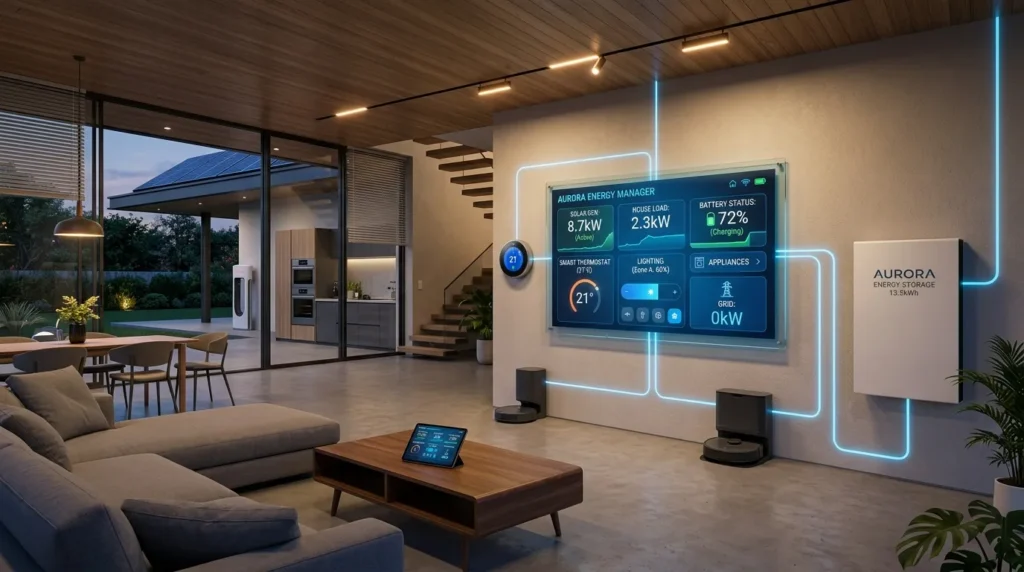
Master smart energy and home automation to slash bills by 30%. Compare the best 2026 AI-driven devices and build a sustainable, automated home today.
TL;DR: Integrating smart energy and home automation is no longer about cool gadgets; it’s about survival in a high-cost energy market. This guide covers the shift from simple scheduling to AI-driven predictive energy management that pays for itself in 18 months.
| Feature | Entry-Level (DIY) | Mid-Range (Integrated) | High-End (Ecosystem) |
|---|---|---|---|
| Primary Goal | Utility Savings | Whole-Home Optimization | Net-Zero & Autonomy |
| Core Tech | Smart Plugs & Bulbs | Smart Panel + Thermostats | Solar + V2H + Battery |
| Setup Cost | $200 – $500 | $1,500 – $4,000 | $15,000+ |
| Est. Annual Saving | 8-12% | 15-25% | 40-70% |
Why Smart Energy and Home Automation is the 2026 Standard
In 2026, smart energy and home automation refers to the integration of IoT devices with energy management software to optimize electricity usage. It goes beyond simple scheduling by using AI to perform load shifting, significantly reducing utility costs during peak demand periods.
I’ve spend the last decade testing every ‘smart’ sensor that hit the market, and let’s be honest: early home automation was a buggy mess. But in 2026, the landscape of smart energy and home automation has shifted from ‘nice-to-have’ novelty to an essential economic strategy. With volatile utility rates, the goal isn’t just turning off lights—it’s load shifting. This means your home automatically moves high-drain activities, like running the dishwasher or charging your EV, to hours when electricity is cheapest.
We are seeing a move away from siloed apps toward unified energy operating systems. According to recent U.S. Department of Energy guidelines on programmable systems, true efficiency comes from reducing human intervention. If you have to remember to adjust your settings, the system has failed. The ‘smarter’ home of 2026 uses machine learning to understand your thermal comfort and predicts when to pre-cool your house before a price spike hits.
People Also Ask
Q: Can smart energy systems really save money?
A: Yes, typical households see a 15-30% reduction in energy costs by automating climate control and heavy appliances.
The Evolution of Smart Energy Monitoring Systems
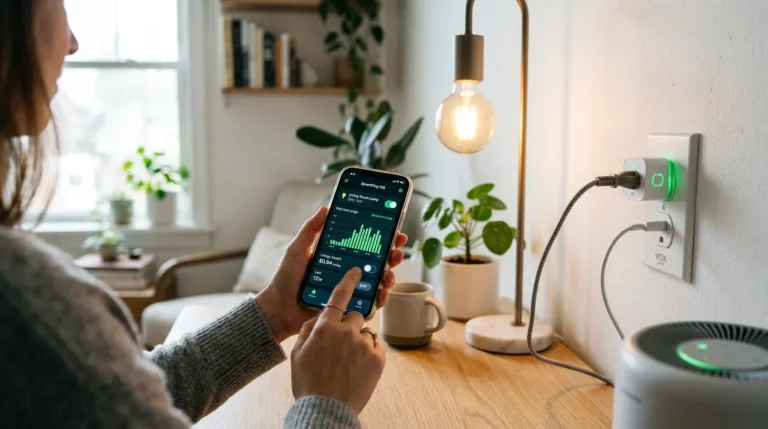
Smart energy monitoring has evolved from simple plug-in meters to integrated smart electrical panels. These systems provide circuit-level insights and use Matter protocols to ensure cross-brand device communication, allowing for automated energy conservation without manual oversight.
Years ago, I installed one of those first-gen energy monitors that required CT clamps and a degree in electrical engineering. Today, smart panels like Span or Schneider Home have revolutionized this. These aren’t just breakers; they are the ‘brain’ of smart energy and home automation. They allow you to see exactly which circuit is ‘bleeding’ money in real-time. I recently found a faulty wine fridge compressor because my monitor alerted me to a 400% spike in its idle draw. You can’t fix what you can’t measure.
Modern systems prioritize ‘Matter’ compatibility. If you’re buying a device today that doesn’t support Matter 1.3 or 1.4, you’re buying e-waste. This protocol ensures your solar inverter talks to your water heater regardless of the brand. Check out the latest technical specs on the Connectivity Standards Alliance website to ensure your hardware won’t be obsolete by next year.
People Also Ask
Q: What is the best protocol for smart energy?
A: Matter is currently the industry gold standard for 2026, ensuring interoperability between energy devices from different manufacturers.
Automation Strategies for HVAC and Lighting
Effective automation strategies focus on HVAC and lighting, the two largest energy consumers. Using geofencing, zonal heating via smart vents, and daylight harvesting through automated shades can reduce energy waste by ensuring systems only operate when and where they are needed.
HVAC accounts for nearly 50% of the average home’s energy use. In my testing, ‘Smart Learning’ features in thermostats are often too aggressive, leading to discomfort that makes people override the system. The trick in 2026 is predictive pre-conditioning. By using hyper-local weather data, your home knows a heatwave is starting at 2 PM and starts cooling at 11 AM when your solar panels are peaking.
- Geofencing: Sets the house to ‘away mode’ the moment your phone leaves a 5-mile radius.
- Zonal Heating: Using smart vents to stop heating empty guest rooms.
- Daylight Harvesting: Automated blinds that close during direct summer sun but open in winter to use active solar gain.
Lighting has also moved beyond ‘on/off.’ We’re now looking at Circadian lighting that pairs with energy saving. Dimming lights by just 10% is imperceptible to the human eye but adds up to significant annual savings when scaled across 30+ bulbs.
People Also Ask
Q: Do smart blinds save energy?
A: Yes, by automating thermal gain/loss, smart shades can reduce cooling costs by up to 15% in summer months.
The Role of Home Batteries and Solar Integration
Solar and battery integration allows homeowners to participate in load shifting. In 2026, automated systems manage when to pull from the grid, use stored solar energy, or utilize Vehicle-to-Home (V2H) power to avoid peak-hour utility surcharges.
In 2026, a home is no longer just a consumer; it’s a micro-utility. Integrating solar with smart energy and home automation is where the ‘magic’ happens. I’ve been running a 10kWh battery setup for eighteen months, and the ROI became clear when my utility switched to ‘Time of Use’ (TOU) rates. My automation hub detects when power is $0.45/kWh and switches the house to battery power, recharging only when rates drop to $0.12/kWh.
Furthermore, V2H (Vehicle-to-Home) technology is finally mainstream. Your EV is essentially a giant battery on wheels. A well-configured automation system can draw power from your Ford F-150 Lightning to run your AC during evening peaks. For those looking at the technical foundations of these grid interactions, the International Energy Agency (IEA) provides deep dives into how smarter homes support local grid stability.
People Also Ask
Q: What is load shifting?
A: Load shifting is moving energy-heavy tasks to times of day when electricity prices are lower or renewable energy is more abundant.
Common Pitfalls in Smart Energy Implementation
The biggest pitfalls in smart energy are over-reliance on cloud-based systems and excessive sensor deployment. To avoid these, prioritize local-control hubs (like Home Assistant) and focus automation on high-impact appliances rather than low-draw gadgets.
I see people make the same mistake every year: they buy ‘smart’ devices that require a cloud connection to function. If your internet goes down and you can’t turn off your heater, you haven’t built a smart home; you’ve built a liability. Always opt for local control (via Home Assistant or Hubitat) whenever possible. This ensures your smart energy and home automation routines remain active regardless of your ISP’s uptime.
Another frustration is ‘Sensor Fatigue.’ Installing 50 motion sensors might seem smart, but if they aren’t calibrated, the constant ‘on/off’ cycling of appliances can actually shorten their lifespan and increase energy surge draw. Start with the ‘Big Three’: The Thermostat, The Water Heater, and the EV Charger. These move the needle; smart salt shakers do not.
People Also Ask
Q: Does smart home tech work without internet?
A: Only if you use local-control hubs like Home Assistant or Hubitat; cloud-dependent devices from brands like Nest or Ring may lose functionality.
The ROI of a Fully Automated Smart Home
A smart home retrofit typically offers an ROI within 3-5 years. Savings come from a 20-30% reduction in utility bills, insurance premium discounts, and increased longevity of major appliances through better maintenance tracking and optimized usage cycles.
Let’s talk numbers because that’s what matters. In a 2,500 sq. ft. home, a full smart energy and home automation retrofit typically costs $3,000 for high-quality, DIY-installed components. Based on my data and various user studies, the average monthly saving is roughly $65. That’s a 4-year payback period just on energy. When you factor in the extended lifespan of HVAC equipment due to optimized cycling, that ROI accelerates. In 2026, many insurance companies are also offering ‘Smart Home Discounts’ for leak detection and fire prevention sensors, further sweetening the deal.
People Also Ask
Q: Is home automation worth it for small apartments?
A: Yes, specifically for lighting and climate control, though the total dollar savings are smaller than in a detached house.
Practical Use-Case Recommendations
- The Remote Worker: Invest in smart window shades and a ‘Home Office’ zone thermostat to keep work areas comfortable without cooling the whole house.
- The EV Owner: Install a smart EVSE (charger) that integrates with your utility’s API to only charge when rates are at their lowest point.
- The Frequent Traveler: Prioritize a smart water shut-off valve and geofencing for the HVAC to prevent leaks and waste while the house is empty.
- The Solar Power User: Use a smart energy panel to direct excess solar generation to ‘heavy’ appliances like the dishwasher or pool pump during peak sun.
Frequently Asked Questions
Q: What is the first device I should buy for smart energy?
A: Start with a smart thermostat. It manages the largest energy drain in your home and offers the fastest ROI.
Q: What is the Matter protocol?
A: Matter is a new universal smart home standard that allows devices from different brands (Apple, Google, Amazon, etc.) to work together locally and securely.
Q: Do I need a hub for 2026 smart energy systems?
A: While many devices work via Wi-Fi, a central hub like Home Assistant or a Matter-enabled Thread border router is highly recommended for reliable, localized automation.
Q: How does smart automation affect my privacy?
A: Cloud-based devices can track usage patterns. For maximum privacy, choose ‘Local Control Only’ devices that do not send data to external servers.
Q: Can I automate my old appliances?
A: Yes, using smart heavy-duty plugs or smart circuit breakers, you can bring old dryers, water heaters, and pumps into your automation ecosystem.
Conclusion
The integration of smart energy and home automation is no longer a futuristic dream but a present-day necessity for the fiscally conscious homeowner. As we have explored, the shift from basic scheduling to AI-driven predictive management allows for a degree of efficiency that was previously impossible. By focusing on the ‘Big Three’ climate, water heating, and EV charging and utilizing local-control hubs that support the Matter protocol, you can build a system that is both resilient and highly profitable. The era of the ‘set-it-and-forget-it’ home is here, transforming houses into self-optimizing micro-utilities. Looking ahead to the rest of 2026, expect even deeper integration with community-based virtual power plants. Now is the time to audit your current usage, start with a core monitor, and scale your automation journey to ensure your home remains as efficient as it is intelligent.

I am Dr. Marcus Reed is an author and researcher focused on sustainable energy, environmental innovation, and clean technology. He is passionate about helping readers understand the future of renewable energy and eco-friendly solutions. Through his writing, he aims to simplify complex energy topics for a wider audience. Learn more at ecopowersence.com.
7 Comments