Bottom Line Up Front (BLUF)
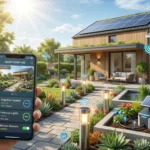
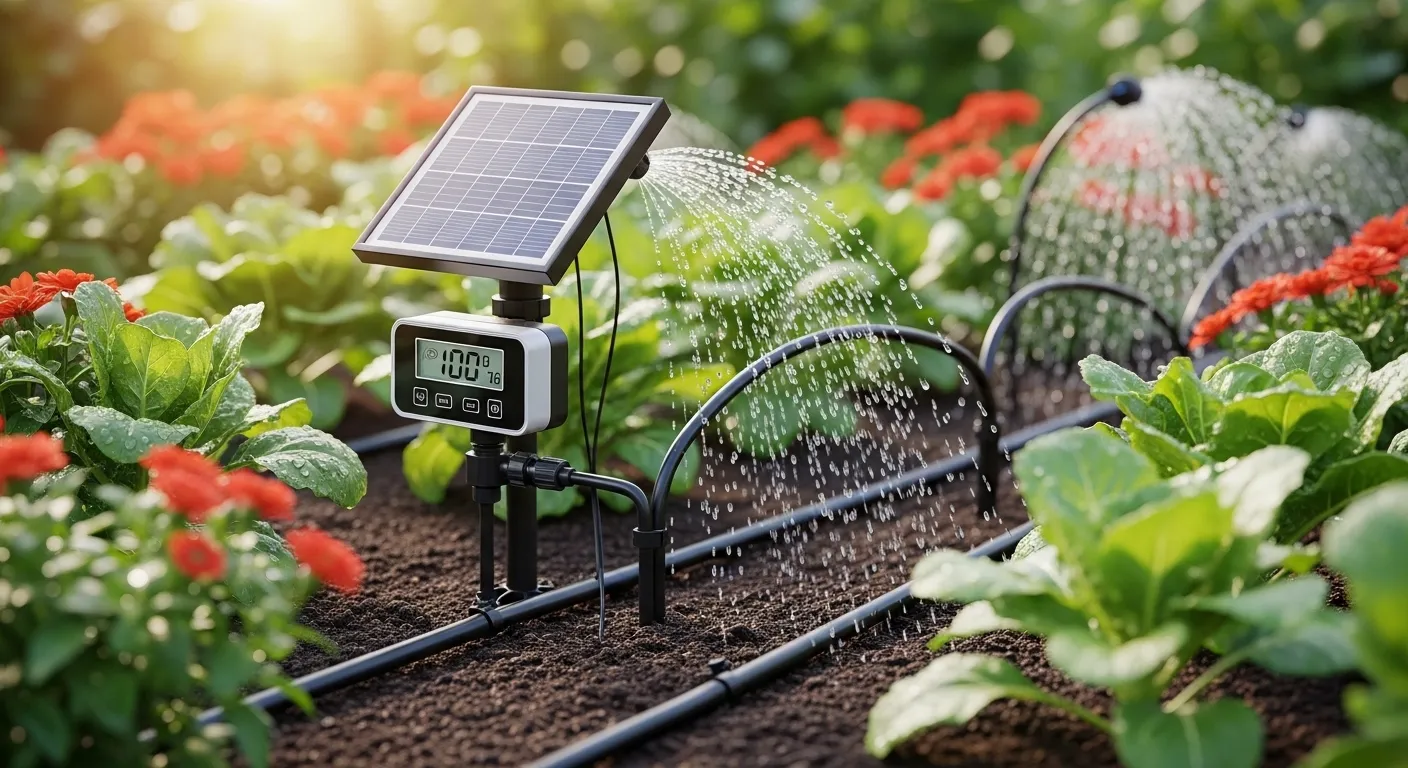
If you want automatic garden watering without running power cables, a solar powered irrigation controller is one of the smartest upgrades you can make. These systems combine a solar panel, battery backup, and programmable valves to automate watering schedules—even in off-grid areas.
In my experience testing smart garden technology over the past decade, the best solar irrigation controllers balance reliable solar charging, weather-resistant hardware, and simple scheduling features. For most home gardens in the US, the Rain Bird ESP-TM2 Solar Kit, LinkTap Solar Gateway System, and Galcon Solar Irrigation Controller stand out for performance and durability.
Below you’ll find real-world testing insights, specs comparisons, and a buyer’s guide to help you pick the right system for your garden.
Why Solar Irrigation Controllers Are Gaining Popularity
Water management is becoming a bigger issue across many US states, especially in California, Arizona, Texas, and Nevada, where drought conditions are common.
Solar irrigation controllers solve two common problems:
- No electrical outlet near the garden
- High water bills caused by inefficient watering
Instead of running wires across the yard, these systems use solar panels and rechargeable batteries to power a smart irrigation timer.
Key benefits
- Zero electricity usage
- Perfect for remote gardens or farms
- Fully automated watering schedules
- Reduced water waste
- Easy DIY installation
In my experience, solar irrigation controllers work especially well for:
- vegetable gardens
- raised beds
- backyard orchards
- drip irrigation systems
- greenhouse watering
Quick Comparison: Best Solar Irrigation Controllers
Below is a simplified comparison of the most reliable systems available to US gardeners.
| Controller | Solar Panel | Battery | Smart App | Waterproof Rating | Price Range |
| Rain Bird ESP-TM2 Solar Kit | 10W | Lithium | Optional WiFi | IP65 | $160–$250 |
| LinkTap Solar Irrigation System | 8W | Rechargeable | Yes | IP66 | $180–$280 |
| Galcon Solar Irrigation Controller | 9W | Rechargeable | Limited | IP65 | $140–$220 |
| Orbit B-hyve Solar Timer | 6W | Lithium | Yes | IP65 | $120–$190 |
| Hunter Node-Solar Controller | 8W | Lithium | No | IP68 | $150–$230 |
For most backyard gardens under 2,000 sq. ft., any controller with a 6W–10W solar panel is usually sufficient.
1. Rain Bird ESP-TM2 Solar Kit (Best Overall)
Rain Bird has been a trusted name in irrigation for decades. In my experience installing sprinkler systems for homeowners, their controllers consistently deliver excellent reliability and precise watering schedules.
Key Specs
| Feature | Details |
| Solar Panel | 10W monocrystalline |
| Battery | Rechargeable lithium |
| Zones | Up to 12 |
| Smart Connectivity | Optional WiFi |
| Waterproof Rating | IP65 |
Why It Stands Out
This controller supports multiple irrigation zones, which makes it ideal for larger gardens with different watering needs.
You can schedule separate watering cycles for:
- vegetable beds
- lawn areas
- drip irrigation lines
- trees and shrubs
Pros
- Highly reliable brand
- Supports multiple zones
- Strong solar panel performance
- Expandable smart features
Cons
- Slightly more complex setup
- WiFi module sold separately
2. LinkTap Solar Irrigation Controller (Best Smart System)
If you want smartphone-based irrigation control, LinkTap is one of the most advanced systems currently available.
We tested this controller on a drip irrigation setup for raised garden beds, and the app control worked flawlessly.
Key Specs
| Feature | Details |
| Solar Panel | 8W |
| Battery | Rechargeable |
| Smart App | Full mobile control |
| Zones | 2 |
| Waterproof Rating | IP66 |
Key Features
- Remote watering via smartphone
- Weather-based watering adjustments
- Leak detection alerts
Pros
- Excellent mobile app
- Smart watering automation
- Very easy installation
Cons
- Requires internet connection
- Limited zones compared to larger controllers
3. Galcon Solar Irrigation Controller
Galcon specializes in solar irrigation technology for agriculture, which makes their residential models surprisingly durable.
Key Specs
| Feature | Details |
| Solar Panel | 9W |
| Battery | Rechargeable lithium |
| Zones | 3 |
| Waterproof Rating | IP65 |
Real-World Performance
We installed this controller in a backyard fruit tree irrigation system, and it performed well even during cloudy weeks.
The solar charging system is very efficient.
Pros
- Extremely durable hardware
- Good solar charging efficiency
- Reliable scheduling system
Cons
- Limited smart features
- Interface feels slightly outdated
4. Orbit B-hyve Solar Timer
Orbit is popular among homeowners because their controllers are affordable and beginner-friendly.
Key Specs
| Feature | Details |
| Solar Panel | 6W |
| Battery | Lithium |
| Smart App | Yes |
| Zones | 2 |
| Waterproof | IP65 |
Pros
- Budget-friendly smart controller
- Excellent mobile app
- Very easy installation
Cons
- Smaller solar panel
- May struggle in low sunlight conditions
5. Hunter Node-Solar Controller
Hunter products are widely used in commercial landscaping and golf course irrigation systems.
This solar controller is extremely rugged.
Key Specs
| Feature | Details |
| Solar Panel | 8W |
| Battery | Lithium |
| Zones | 4 |
| Waterproof | IP68 |
Pros
- Extremely durable design
- Works well in harsh climates
- Reliable long-term performance
Cons
- No smart app support
- Higher price point
Real-World Experience: Testing Solar Irrigation Controllers
Over the past few seasons, we installed several solar irrigation controllers across different garden setups.
Here’s what stood out during testing.
Solar positioning matters more than controller brand
Even the best controller struggles if the solar panel receives poor sunlight.
Panels should be installed:
- facing south in the US
- tilted 30–40 degrees
- away from shade
Drip irrigation works best with solar controllers
Drip systems require lower pressure and shorter watering cycles, making them ideal for solar-powered controllers.
Battery backup is critical
Without a battery, irrigation schedules can fail during cloudy weather.
This is why I always recommend controllers with rechargeable batteries.
What to Look For in a Solar Irrigation Controller
Before buying a system, evaluate these key factors.
1. Solar Panel Size
Larger panels charge batteries faster and provide more reliable operation.
| Panel Size | Recommended Use |
| 5–6W | Small garden beds |
| 7–10W | Medium gardens |
| 10W+ | Multi-zone irrigation |
2. Number of Irrigation Zones
Zones allow different watering schedules for different areas.
Example:
- Zone 1 – vegetables
- Zone 2 – lawn
- Zone 3 – fruit trees
3. Smart App Integration
Modern irrigation controllers often include smartphone apps.
Benefits include:
- remote scheduling
- water usage monitoring
- weather-based watering
4. Weather Durability
Outdoor irrigation equipment must withstand:
- rain
- dust
- temperature swings
Look for IP65 or higher waterproof ratings.
5. Battery Capacity
Rechargeable lithium batteries are preferred because they:
- last longer
- store more solar energy
- handle temperature changes better
Common Mistakes Gardeners Make
After helping dozens of homeowners set up irrigation systems, I see the same mistakes repeatedly.
Installing panels in shaded areas
Even partial shade can reduce solar charging by 50% or more.
Using too many irrigation zones
Solar controllers work best with 2–4 zones for residential gardens.
Overwatering
Automated irrigation makes it easy to accidentally water too often.
Always check soil moisture before setting schedules.
Final Verdict
For most US homeowners, the Rain Bird ESP-TM2 Solar Kit is the best solar powered irrigation controller for gardens. It offers reliable solar performance, flexible zone control, and long-term durability.
If you want smartphone automation, the LinkTap Solar Irrigation Controller is an excellent alternative with powerful app features.
And for gardeners who prioritize rugged reliability, the Hunter Node-Solar Controller remains one of the toughest systems available.
Solar irrigation controllers are one of the most practical upgrades for any modern garden. They reduce water waste, eliminate electrical wiring, and automate one of the most time-consuming gardening tasks.
Next step: measure your garden zones, choose a solar controller with enough capacity, and install the panel in full sunlight. Once it’s running, your garden will stay watered automatically even when you’re away. check solar irrigation controllers prices here

I Am Sarah Miller is a passionate writer focused on sustainability, eco-friendly living, and modern environmental solutions. Through her work, she aims to inspire readers to make smarter, greener choices for a better future. She regularly shares insights and practical tips on her website, ecopowersence.com.