Bottom Line Up Front (BLUF)
Yes solar shingles can be worth it in 2026, but mainly for homeowners replacing their roof or prioritizing aesthetics. In my experience working with smart-home and renewable tech installations, solar shingles deliver clean energy and a seamless roof design, but they still cost 20–40% more than traditional solar panels. If you’re already planning a roof replacement, they make financial sense. If your roof is still new, conventional solar panels remain the better value.
What Solar Shingles Actually Are
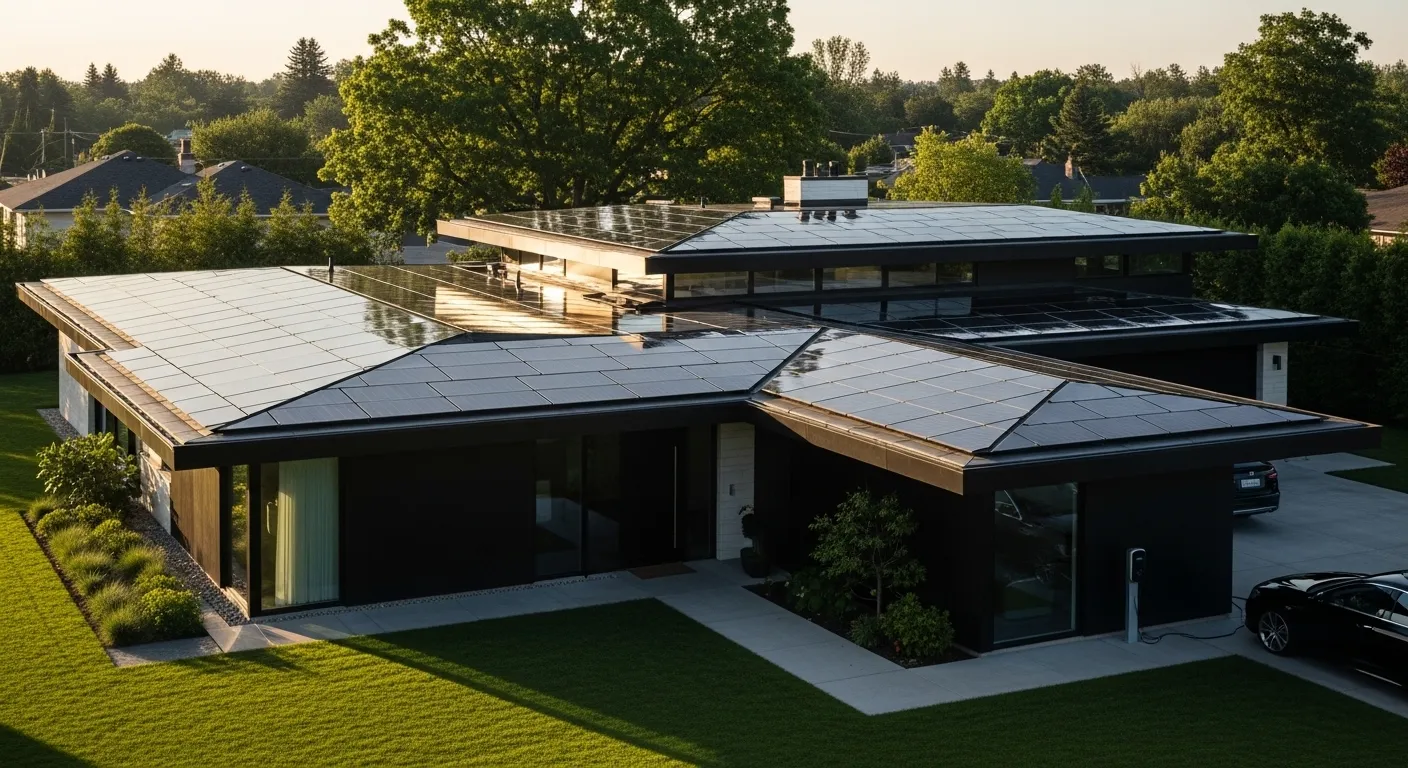
Solar shingles are photovoltaic roofing materials that replace traditional roof shingles while generating electricity. Instead of installing bulky panels on top of your roof, the solar cells are integrated directly into the roofing material.
The best-known example is the Tesla Solar Roof, but several manufacturers now offer solar shingles designed for easier installation and lower costs.
Think of them as a roof and solar system combined into one product.
Typical solar shingle systems include:
- Photovoltaic shingles
- Integrated wiring beneath the roof
- Inverter system
- Monitoring app
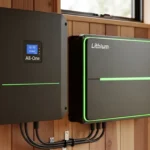
- Optional battery storage
Solar Shingles vs Traditional Solar Panels
This is the comparison most homeowners care about.
| Feature | Solar Shingles | Traditional Solar Panels |
| Installation | Built into roof | Mounted on top |
| Aesthetic appearance | Seamless roof look | Visible panels |
| Cost | $45k–$85k typical | $15k–$35k typical |
| Efficiency | 14–18% | 18–23% |
| Roof replacement included | Yes | No |
| Maintenance | Similar | Slightly easier |
My takeaway:
If appearance matters or you need a new roof anyway, solar shingles start looking much more attractive financially.
Average Solar Shingle Cost in 2026
Based on industry installation data and contractor quotes in the US market, typical costs look like this:
| Home Size | Estimated Cost | Cost After Federal Tax Credit |
| Small home (1,500 sq ft) | $40,000–$55,000 | $28,000–$38,500 |
| Medium home (2,000 sq ft) | $50,000–$70,000 | $35,000–$49,000 |
| Large home (2,500+ sq ft) | $65,000–$90,000 | $45,500–$63,000 |
The 30% federal solar tax credit (ITC) still significantly reduces the upfront price.
However, the biggest financial factor is roof replacement.
If your roof needs replacement soon anyway, a traditional roof + solar panels could cost nearly the same as solar shingles.
Pros and Cons of Solar Shingles
Pros
1. Beautiful roof design
This is the biggest selling point.
Instead of panels sitting on top of your roof, the shingles blend in almost perfectly.
From the street, many systems look like normal roofing materials.
2. Dual-purpose investment
You’re paying for:
- A new roof
- A solar energy system
That combined value makes the price easier to justify.
3. Increased home value
Homes with integrated solar roofing often sell faster.
Real estate studies suggest solar homes can sell for 4–6% higher in some US markets.
4. Storm resistance
Most solar shingles are impact-rated and weather-resistant.
Some systems withstand:
- Hail
- 130+ mph winds
- Heavy snow loads
Cons
1. Higher upfront cost
Solar shingles remain more expensive than traditional solar panels.
Expect roughly:
- $20k–$40k more upfront
2. Lower efficiency
Solar panels still win on efficiency.
That means you may need more roof coverage to generate the same power.
3. Limited installers
This is a real issue in my experience.
Solar shingles require specialized roofing installers, and availability varies widely across the US.
4. Harder repairs
If one shingle fails, technicians must carefully remove surrounding pieces.
With traditional panels, repairs are usually simpler.
Real-World Experience: What Happens After Installation
Over the last few years, I’ve seen several homeowners switch to solar shingles during roof replacement projects.
Here’s what usually happens.
Energy Production
Most solar shingle roofs generate:
- 6 kW – 12 kW systems
That’s enough to offset 70–100% of electricity usage for average US homes.
Monitoring and Smart Features
Modern systems include mobile monitoring apps that show:
- Real-time power production
- Daily energy usage
- Utility savings
- Grid exports
Homeowners who combine solar shingles with batteries gain backup power during outages.
Payback Period
Typical ROI timelines:
| System Type | Payback Period |
| Solar panels | 7–10 years |
| Solar shingles | 10–15 years |
However, when roof replacement costs are included, the gap narrows.
Leading Solar Shingle Brands in 2026
The solar roof market is expanding quickly.
Here are three major players homeowners commonly consider.
| Brand | Key Feature | Estimated Cost | Warranty |
| Tesla Solar Roof | Premium glass tile design | $$$$ | 25 years |
| CertainTeed Apollo | Easier roofing integration | $$$ | 25 years |
| GAF Timberline Solar | Fast installation | $$$ | 25 years |
Each system offers slightly different:
- Installation methods
- roof aesthetics
- energy output
Real Savings: What Homeowners Actually Save
Electricity savings depend on three factors:
- Sun exposure
- Local utility rates
- System size
Typical US homeowners save:
| Annual Electricity Bill | Solar Savings |
| $1,500/year | $900–$1,200 |
| $2,000/year | $1,200–$1,600 |
| $3,000/year | $1,800–$2,400 |
Over 25 years, those savings can exceed $40,000–$60,000.
What to Look For Before Buying Solar Shingles
If you’re seriously considering solar shingles in 2026, here are the factors I always recommend evaluating.
1. Roof Age
This is the most important factor.
Solar shingles make the most sense if your roof is:
- Older than 15 years
- Damaged
- Already scheduled for replacement
2. Roof Orientation
Best performance comes from roofs facing:
- South
- Southwest
- Southeast
North-facing roofs typically produce less solar energy.
3. Local Installer Availability
Not all roofing companies install solar shingles.
Before choosing a brand, confirm:
- Certified installers exist nearby
- Service support is available
4. Energy Consumption
Check your annual electricity usage.
Look at your last 12 months of utility bills to estimate system size.
5. Battery Compatibility
Adding battery storage increases independence from the grid.
Look for systems compatible with:
- Whole-home batteries
- Smart energy monitoring
- Load prioritization
Are Solar Shingles Better for New Homes?
Absolutely.
In new construction projects, solar shingles are often the smartest choice.
Why?
Because builders can integrate them from the start:
- No roof removal
- Cleaner wiring
- Lower installation labor
Many luxury home builders are already adopting them.
When Solar Shingles Are NOT Worth It
In my experience, solar shingles aren’t ideal in three situations.
1. Your roof is brand new
Installing solar panels is much cheaper.
2. Your budget is tight
Solar panels offer faster ROI.
3. Your roof has poor sun exposure
Trees, shadows, and roof angles reduce solar output.
The Future of Solar Roof Technology
Costs are gradually dropping as manufacturing scales up.
Industry analysts expect:
- Faster installation systems
- More efficient solar cells
- Wider contractor networks
- Lower prices
Within the next decade, solar shingles could become a mainstream roofing option.
Final Verdict
If you’re replacing your roof in 2026, solar shingles are absolutely worth considering. They combine clean energy generation with modern roof aesthetics and long-term electricity savings.
But if your roof is still in great shape, traditional solar panels remain the smarter financial decision for most homeowners.
My recommendation:
Get quotes for both solar panels and solar shingles, compare total costs including roof replacement, and choose the option with the best long-term ROI.
If you want, I can also show you the 5 best solar shingles available in 2026 (with prices and performance comparisons) which can help you pick the right system faster.

I am Ethan Brooks is an author dedicated to exploring sustainability, technology, and forward-thinking solutions. His writing highlights simple yet powerful ways to improve everyday life while protecting the planet. He believes knowledge can drive meaningful change. Discover more at ecopowersence.com.