Quick Answer: How Do You Camp Safely in a UK Heatwave?
Camping safely in a UK heatwave starts before you leave home. Check theMet Office UK weather warnings, reviewUKHSA hot weather advice, and decide whether the trip still makes sense.
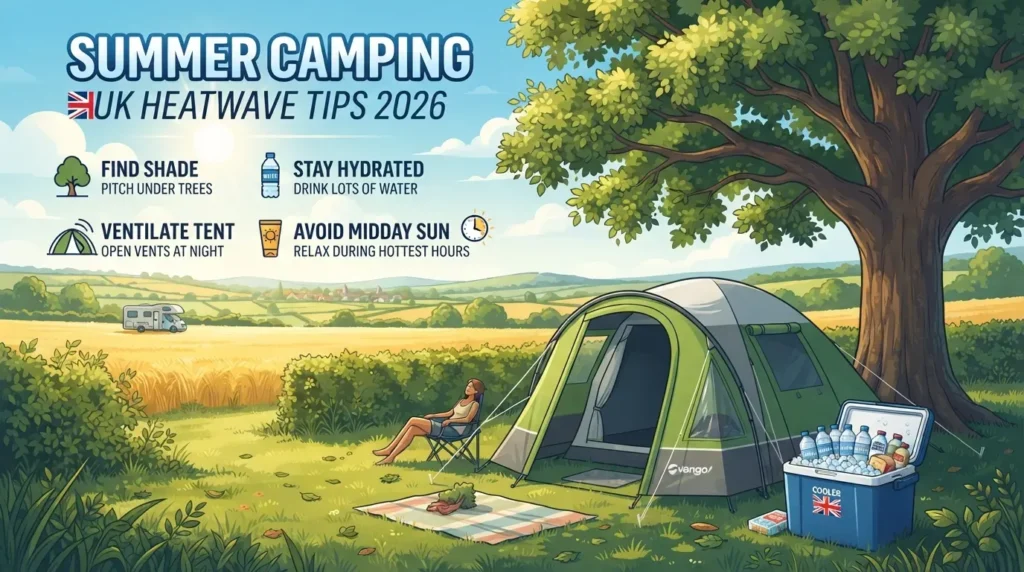
The safest plan is simple. Choose a shaded pitch, ventilate your tent at the right times, drink before you feel thirsty, avoid direct sun between 11am and 3pm, and never sleep or rest inside a closed hot tent during the day.
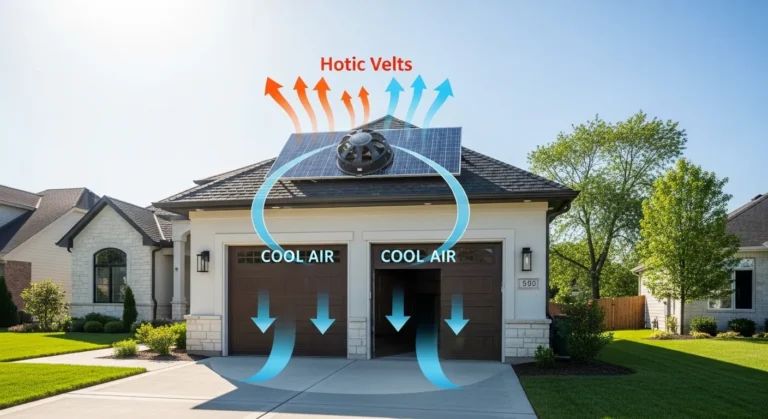
For eco-conscious campers, solar fans, rechargeable LED lanterns, and portable solar panels can help. However, shade, water, and timing matter more than gadgets.
If an extreme heat warning affects your campsite, consider postponing. A camping trip should feel restorative, not risky.
Why UK Heatwave Camping Needs a Different Plan in 2026
UK camping is not built around extreme heat. Many campsites offer beautiful open fields, but open fields often mean little shade. That becomes a problem during long hot spells.
Tents also heat up quickly. Polyester fabric, dark groundsheets, closed inner doors, and still air can turn a tent into a heat trap before midday.
Humidity makes the situation worse. When the air feels heavy, sweat does not evaporate as well. As a result, your body works harder to cool itself.
That is why heatwave camping needs a different approach. You are not just packing for sunshine. You are planning for heat stress, food safety, wildfire risk, and poor sleep.
Before You Go: Your Heatwave Camping Decision Checklist
Check Official Weather Warnings
Start with the Met Office warning map. Look for yellow, amber, or red warnings near your route and campsite.
Then check the overnight temperature. A hot day is tiring, but a hot night can be more dangerous because your body gets less recovery time.
Also review UV levels. You can burn in the UK even when the sky looks hazy or cloudy.
Use a Go, Delay, or Cancel Rule
Create a simple rule before anyone gets excited about the trip.
Go if the site has shade, water access, safe cooking options, and cooler night temperatures.
Delay if the campsite is exposed, your group includes babies, older relatives, pregnant people, or anyone with health conditions.
Cancel or switch accommodation if a red extreme heat warning affects the area. In that situation, a hotel, cabin, or postponed trip is often safer.
Call the Campsite First
Do not rely only on the booking page. Phone the campsite and ask practical questions.
Ask if shaded pitches are available. Ask if freezer space is available for ice packs. Ask whether BBQs, fire pits, or disposable grills are banned.
Also ask where the nearest cool indoor space is. A café, visitor centre, supermarket, or pub can become part of your heat safety plan.
Choose the Coolest Pitch on the Campsite
Prioritise Afternoon Shade
Morning sun is easier to manage. Afternoon sun usually creates the strongest tent heat.
Look for trees, hedges, slopes, or buildings that shade the tent after lunch. However, avoid pitching directly under unstable branches.
If natural shade is limited, create your own. A reflective tarp or shade sail can reduce direct solar heating.
Keep an air gap between the tarp and the tent. That gap lets heat escape instead of trapping it against the fabric.
Avoid Heat-Storing Ground
Grass usually feels cooler than gravel, concrete, or tarmac. Hardstanding pitches can radiate heat long after sunset.
Also avoid low, windless corners. They may feel sheltered, but they can trap warm air.
A slightly breezy pitch is often better. Just make sure your tent, tarp, and guy lines are properly secured.
Face the Tent for Airflow
Set the tent door and vents toward the breeze where possible.
Open opposite mesh panels to create crossflow. Even a light airflow can make a shaded tent feel more comfortable.
For more low-impact pitch planning, link readers to your fullsustainable camping guide. It fits naturally here because heatwave safety and low-impact site selection overlap.
How to Keep a Tent Cool in a UK Heatwave
Do Not Nap Inside a Hot Tent
This is the rule many beginners miss. A tent can become much hotter than the outside air.
Never leave babies, children, older people, or pets inside a closed tent. That includes “just for a few minutes.”
If someone needs rest, move them into shade outside. Better still, use a campsite lounge, café, car with safe ventilation, or nearby indoor space.
Use Shade Before Fans
A fan moves air. It does not remove heat from the campsite.
So, start with shade. Place a tarp above the sleeping area, not directly on the tent fabric.
Then add airflow. A small battery fan or solar fan can help if it pushes cooler shaded air through the tent.
For gear readers, internally link to yourportable solar setup guide when discussing solar fans, panels, and power banks.
Ventilate at the Right Time
Open vents early in the morning and in the evening. That is when outside air is more likely to be cooler.
During the hottest hours, shade and closed sun-facing panels may work better than full exposure.
At night, use mesh panels if it is safe. Keep valuables secure, and follow campsite security advice.
Choose Light and Breathable Sleep Gear
Avoid heavy sleeping bags during heatwaves. Use a cotton sheet, bamboo liner, or very light summer bag.
If your airbed feels sweaty, place a cotton layer on top. That small change improves comfort.
Also keep electronics away from the sleeping area when charging. Power banks, phones, and lanterns all release some heat.
Hydration Rules for Hot-Weather Camping
Drink Before You Feel Thirsty
Thirst comes late. In hot weather, drink small amounts often.
Give every camper a refillable bottle. Children should have named bottles so adults can check intake quickly.
If you are walking, cycling, or setting up camp in heat, use electrolytes or salty foods too. Heavy sweating removes more than water.
Avoid Too Much Alcohol
Alcohol increases dehydration risk. It also weakens judgement around swimming, cooking, driving, and fire safety.
If you drink, keep it for cooler evening hours. Match every alcoholic drink with water.
In extreme heat, skipping alcohol is the safest choice.
Freeze Water Bottles Before Leaving
Frozen bottles work well in a cool box. They keep food cold first, then become drinking water later.
You can also wrap one in a towel and place it near wrists, feet, or the back of the neck.
Do not place ice directly on skin for long periods. Use a cloth barrier.
Sun Protection: UK Campers Still Burn
Avoid Peak Sun
The NHS recommends spending time in shade when the sun is strongest. In the UK, that is typically between 11am and 3pm from March to October.
Plan campsite jobs around that window. Pitch early. Cook later. Walk in the morning or evening.
If you must move around at midday, slow down and stay shaded.
Use Proper Sunscreen
Use SPF 30 or higher with good UVA protection. Reapply after sweating, swimming, or towel drying.
Do not rely on sunscreen alone. Use hats, sunglasses, long sleeves, and shade.
Babies under six months should stay out of direct sunlight.
Dress for Cooling
Loose, pale clothing works better than tight dark clothing.
Cotton, linen, and breathable technical fabrics can all help. The goal is airflow and sun coverage.
A wide-brimmed hat is more useful than a small cap because it shades the neck and ears.
Food Safety During a Camping Heatwave
Keep Cold Food Cold
Hot weather increases food safety risk. Raw meat, dairy, cooked rice, salads, and leftovers need careful handling.
Use a proper cool box with ice packs. Keep it in shade, and open it as little as possible.
Pack drinks in a separate cooler if you can. That stops people opening the food box all day.
Separate Raw and Ready-to-Eat Food
Keep raw meat sealed and below ready-to-eat food. Use separate utensils and plates.
Never put cooked food back on a plate that held raw meat.
Bring hand gel, biodegradable soap, and enough clean water for washing. Good hygiene is harder on a campsite, so plan for it.
Be Careful With BBQs
The Food Standards Agency has dedicated BBQ safety guidance for preparing meat, cooking it thoroughly, and handling leftovers.
During extreme heat, consider no-cook meals instead. Wraps, tinned beans, fruit, nuts, couscous, and pre-cooked foods reduce risk.
Also follow campsite fire rules. Disposable BBQs can scorch grass and start fires during dry conditions.
Fire Safety: Heatwave Camping Means Extra Caution
Dry grass, moorland, woodland edges, and dunes can ignite quickly.
Avoid disposable BBQs and open fires during heatwaves. Many campsites ban them for good reason.
Use a gas stove only where allowed. Place it on a stable, heat-safe surface away from dry grass and tent fabric.
Never cook inside a tent. Fire and carbon monoxide risks make it unsafe.
For eco-friendly cooking ideas, guide readers back to yoursustainable camping article, especially the zero-waste kitchen and solar cooking sections.
Sleeping Better on Hot Camping Nights
Cool the Body Before Bed
A lukewarm shower can help before sleep. Very cold showers may feel good, but they can be uncomfortable if your body rebounds warmer.
Use a damp cloth on pulse points. Wrists, neck, temples, and feet respond quickly.
Keep water within reach overnight. Many campers wake up dehydrated during hot spells.
Reduce Heat Inside the Tent
Do not charge devices beside your pillow. Phones and power banks release heat while charging.
Keep lanterns on low mode. LED lights are efficient, but they still add small amounts of heat.
Use rechargeable LED lanterns instead of disposable battery lights. They create less waste and fit the EcoPowerSence audience.
Manage Morning Sun
If your tent gets sunrise directly, sleep will end early.
Use blackout inner rooms if available. Also pitch so the sleeping area gets morning shade.
A reflective tarp over the east-facing side can make a noticeable difference.
Eco-Smart Gear That Helps in Heatwave Camping
Solar Fan
A solar fan can improve comfort in a shaded tent porch or seating area.
It will not turn a hot tent into an air-conditioned room. However, it can move cooler shaded air and reduce stale heat.
Place it near a mesh opening. Do not point it at a closed wall.
Folding Solar Panel
A folding solar panel can recharge phones, lanterns, fans, and power banks.
Small 10W panels are fine for emergency phone top-ups. For family camping, 40W to 100W panels are more useful.
Keep the battery or power station shaded. The panel needs sun, but the battery does not.
This is a good place to link to your best solar-powered outdoor smart devices guide, because readers interested in solar camping gear may also want solar lights, cameras, and sensors.
Portable Power Station
A compact power station can run fans, charge devices, and support LED lighting.
For car camping, LiFePO4 battery models are often a strong choice because they usually offer a longer cycle life than basic lithium-ion packs.
Check the operating temperature range in the manual. Do not leave power stations in direct sun or a sealed hot car.
Solar Maintenance Reminder
Heat, dust, pollen, and poor panel angle can reduce charging. Wipe portable panels with a soft cloth and keep connectors dry.
For readers using bigger off-grid panels, link to yoursolar panel maintenance checklist. It supports the same “safe solar use” topic cluster.
Smart Tech and Connectivity at Campsites
Download Key Information Offline
Mobile signal can be weak in rural camping areas.
Before leaving, download the campsite map, local emergency contacts, weather forecast, and nearest pharmacy or urgent care location.
Also save the route home. Heatwaves can cause travel delays, so having offline navigation helps.
Use WiFi Carefully
Some campsites offer WiFi, but coverage can be poor across large fields.
If your article later covers campsite security cameras, family tracking, or remote work setups, link to yourWiFi extender for security cameras guide. The connection is most natural in a section about outdoor connectivity and smart devices.
Keep Devices Cool
Phones can overheat in direct sunlight. So can power banks, tablets, and Bluetooth speakers.
Keep electronics in shade. Do not leave them on hot camping tables, car dashboards, or tent floors.
If a device feels hot, stop charging it and let it cool slowly.
Camping With Children During a Heatwave
Children heat up faster than adults. They also forget to drink when they are playing.
Give each child a bottle and check it often. Offer fruit, water-rich foods, and shade breaks.
Plan active games before 11am or after 4pm. During peak heat, switch to calm shade activities.
Never cover prams with thick blankets. That can trap heat. Use breathable shade and airflow instead.
For babies, direct sun is especially risky. Keep them shaded, cool, and regularly checked.
Camping With Dogs in Hot Weather
Dogs cannot cool themselves like humans. They rely heavily on panting and shade.
Walk dogs early or late. Avoid hot roads, sand, and paths.
Use the hand test. If the ground is too hot for your hand, it is too hot for paws.
Never leave a dog inside a tent, awning, or car during hot weather. These spaces can heat dangerously fast.
Bring a cooling mat, extra water, and a shaded resting spot. However, none of these replaces common sense.
Open Water Safety: Cooling Off Can Be Dangerous
A swim may look like the perfect heatwave fix. Still, UK water can remain cold even during hot weather.
Cold water shock can affect breathing and movement. Rivers, lakes, reservoirs, and quarries may also have hidden currents or sudden depth changes.
Choose lifeguarded beaches or supervised swimming areas where possible.
If you get into trouble, follow RNLI Float to Live advice. Tilt your head back, relax, control your breathing, and float until you can call for help or swim to safety.
Never swim after drinking alcohol. Also avoid jumping into unknown water.
Camper Vans, Cars, and Heatwave Road Trips
If you are combining camping with a road trip, plan around shade and ventilation.
Cars and camper vans can heat fast when parked. Never leave children, pets, or vulnerable adults inside.
Park in shade where possible. Use reflective windscreen covers and ventilate when safe.
If readers are comparing tent camping with van travel, link to your camper van rental cost guide 2026. It gives them a useful next step without leaving your site.
What UK Renters Should Know About Solar Camping Gear
Many renters cannot install rooftop solar. However, portable solar gear is different.
A folding camping panel, solar lantern, or small power bank usually does not need property changes.
For readers interested in home energy options after the trip, link to your plug-in balcony solar panels for UK renters guide. It fits the broader EcoPowerSence audience.
This internal link also connects the camping article to your UK solar cluster.
Heat Exhaustion and Heatstroke: Know the Signs
Heat Exhaustion Warning Signs
Watch for tiredness, dizziness, headache, nausea, heavy sweating, cramps, thirst, and irritability.
If someone shows these signs, move them to a cool place. Remove unnecessary clothing. Give water or an isotonic drink.
Cool their skin with water and airflow. Stay with them until they improve.
They should begin to feel better within about 30 minutes.
When It Becomes an Emergency
Heatstroke is a medical emergency.
Call 999 if someone remains unwell after cooling, becomes confused, has a seizure, loses consciousness, has very hot skin, or has fast breathing.
Do not drive them yourself if emergency help is needed. Follow NHS advice while waiting.
Campsites can be far from hospitals, so act early.
Best Heatwave Camping Meals
Choose food that needs little cooking and stores safely.
Good options include wraps, tinned beans, peanut butter sandwiches, couscous, fruit, nuts, oat pots, crackers, and chilled pasta eaten early.
Avoid complicated raw meat meals during severe heat. They need more cooling, more washing, and more careful handling.
For drinks, use refillable bottles. Add electrolytes during heavy sweating.
Freeze some bottles before leaving. They help the cool box and become drinking water later.
Low-Impact Heatwave Camping Checklist
Use this checklist before leaving:
- Refillable water bottles
- Wide-brimmed hats
- SPF 30+ sunscreen
- Loose, pale clothing
- Reflective tarp or shade sail
- Battery or solar fan
- Frozen water bottles
- Cool box and reusable ice packs
- Rechargeable LED lanterns
- Folding solar panel
- Power bank or power station
- Electrolytes
- First aid kit
- No disposable BBQs
- No single-use plastic plates
- Biodegradable soap used away from watercourses
- Rubbish bags for packing everything out
Heatwave camping should be safe first and sustainable second. The best eco choice is never the one that puts people at risk.
Expert Verdict: Should You Camp During a UK Heatwave?
You can camp safely during warm weather if you prepare properly. Yet extreme heat changes everything.
Go only if your campsite has shade, reliable water, clear fire rules, and a realistic cooling plan.
Avoid exposed fields during severe heat. Avoid daytime tent sleeping. Avoid alcohol-heavy trips, long midday hikes, and disposable BBQs.
The best 2026 approach is flexible planning. Book refundable stays where possible. Watch official warnings. Be ready to delay, move, or cancel.
A good camping trip should leave you refreshed. It should not put your family, pets, or health at risk.
FAQs
Is it safe to camp in the UK during a heatwave?
It can be safe in moderate heat if you have shade, water, ventilation, and a realistic plan. During extreme heat warnings, postponing may be safer.
How do I keep my tent cool in hot weather?
Pitch in afternoon shade, use a tarp above the tent, create airflow with mesh vents, and avoid sleeping inside during the day.
Should I open my tent during the day?
Open vents when cooler air can move through. During peak heat, shade and blocking direct sun may matter more than opening everything.
What is the best tent colour for a heatwave?
Light-coloured tents usually absorb less heat than dark tents. However, shade, airflow, fabric, and pitch location matter more.
Can a solar fan cool a tent?
A solar fan can improve airflow, but it will not cool a tent like air conditioning. It works best with shade and cross-ventilation.
What should I eat while camping in a heatwave?
Choose low-cook meals such as wraps, couscous, fruit, nuts, tinned beans, oat pots, and chilled pasta eaten early.
Are BBQs safe during UK heatwaves?
Use BBQs only if the campsite allows them and fire risk is low. Avoid disposable BBQs during hot, dry conditions.
How much water should I bring camping in hot weather?
Bring more than usual. Each person should have refillable bottles and easy access to water throughout the day.
What are the signs of heat exhaustion?
Common signs include dizziness, headache, nausea, cramps, heavy sweating, thirst, tiredness, and irritability.
When should I call 999 for heat illness?
Call 999 if someone has signs of heatstroke, confusion, seizure, loss of consciousness, fast breathing, or remains unwell after cooling.
Is open-water swimming safe during a heatwave?
Only swim in supervised or lifeguarded areas where possible. UK water can still be cold enough to trigger cold water shock.
What is the most eco-friendly way to stay cool while camping?
Use shade, airflow, refillable bottles, rechargeable LED lights, solar fans, and durable camping gear. Avoid disposable BBQs and single-use items.

I Am Sarah Miller is a passionate writer focused on sustainability, eco-friendly living, and modern environmental solutions. Through her work, she aims to inspire readers to make smarter, greener choices for a better future. She regularly shares insights and practical tips on her website, ecopowersence.com.