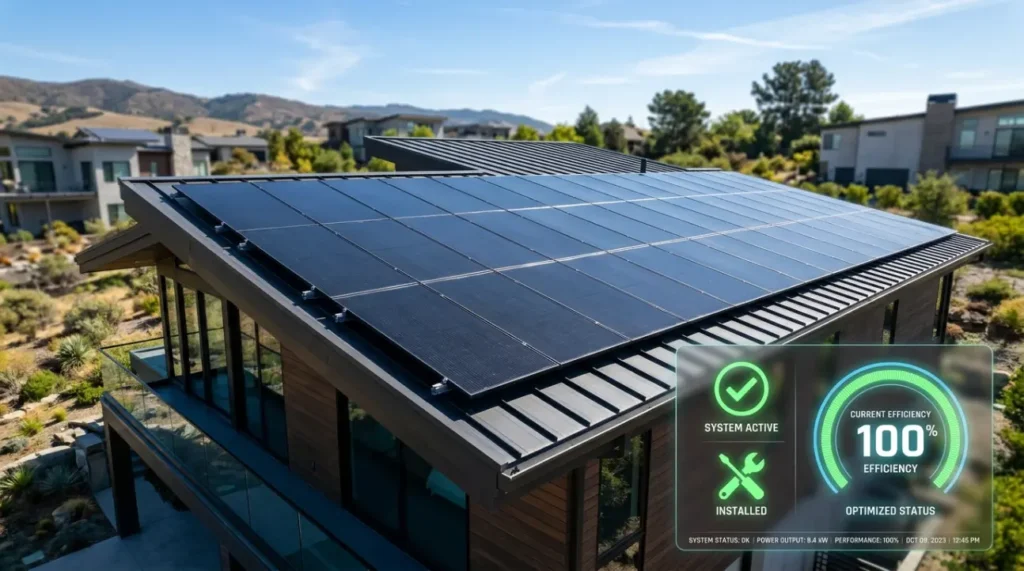
Master your solar panel maintenance checklist to boost ROI. Learn how to clean, inspect, and monitor your PV system like a pro for 2026. Get more energy now.
TL;DR: Keeping your solar panels clean and your inverter healthy can prevent up to a 20% drop in energy production. This 2026 update covers everything from basic debris removal to professional thermal imaging audits.
| Task | Frequency | Difficulty | Estimated Cost (DIY vs Pro) |
|---|---|---|---|
| Visual Inspection | Monthly | Low | Free / Part of Service |
| Surface Cleaning | Bi-Annually | Moderate | $20 vs $150-$300 |
| Inverter Health Check | Quarterly | Low | Free (App-based) |
| Electrical Audit | Every 3-5 Years | High | N/A / $250-$500 |
| Shading Review | Annually | Low | Free / $100 |
Why an Annual Solar Panel Maintenance Checklist is Vital
A records-based solar panel maintenance checklist prevents energy losses of up to 25% due to soiling, optimizes the lifespan of your inverter, and ensures your 25-year warranty remains valid. Regular checks identify wiring issues and shading before they significantly impact your monthly utility savings.
I’ve seen too many homeowners treat solar like a ‘set it and forget it’ appliance. While solar PV systems are remarkably durable, they aren’t magic. In my decade of auditing residential arrays, I’ve seen systems lose 15% efficiency simply because the owner didn’t notice a thick layer of lichen growing on the lower frame. A proper solar panel maintenance checklist ensures you aren’t leaving money on the table—or worse, risking a fire due to frayed wiring.
The goal isn’t just a shiny roof; it’s about maintaining the ROI of your investment. According to current data from the National Renewable Energy Laboratory routine maintenance is essential to prevent accelerated degradation of the photovoltaic cells. In 2026, with energy prices fluctuating, every kilowatt-hour saved is a win for your wallet.
People Also Ask
Q: Does solar panel maintenance really matter?
A: Yes, dirt and debris can reduce power output by 20% or more, and electrical issues can lead to safety hazards if left unchecked.
Step 1: The Visual Roof Inspection
Conduct a monthly visual inspection of your solar array to identify bird nests, debris buildup, or physical damage like cracked glass. Use binoculars to scan for ‘snail trails’ or discoloration, which indicate potential cell failure or moisture ingress.
You don’t always need a ladder for this. Grab a pair of binoculars and stand in your yard. You are looking for ‘hot spots’ or areas where debris has collected. Check for bird nests under the panels—pigeons love the warmth, but their acidic droppings can eat through the protective backsheets over time. If you see cracks or browning on the cells (known as snail trails), that’s a sign of internal delamination.
Pay attention to the mounting hardware. Are the rails steady? High-wind events in 2025 have shown us that loose clamps are the leading cause of panel ‘chatter’ which can crack the silicon wafers inside. If a clamp looks crooked, it’s time to call a pro; torqueing those bolts requires specific settings so you don’t crush the glass.
People Also Ask
Q: Can I walk on my solar panels to inspect them?
A: Absolutely not. Walking on panels creates micro-cracks that aren’t visible to the eye but will permanently degrade your system’s power output.
Step 2: Cleaning Solar Panels the Right Way
Clean your solar panels using a soft brush and lukewarm water during the early morning or late evening. Avoid abrasive chemicals and high-pressure sprayers, which can damage the anti-reflective coating and seals, potentially voiding your manufacturer warranty. Knowing the structural difference between mono and poly solar panels can also help you understand how delicate these surface coatings are.
In my experience, 90% of ‘cleaning’ is just about using common sense. Don’t use a pressure washer. I’ve seen homeowners blow right through the silicone seals of their LG or SunPower panels with a high-PSI jet. Instead, use a soft-bristled brush and deionized water if you have it. If your tap water is ‘hard,’ it will leave calcium deposits that are harder to remove than the dust itself. If your system is hard to reach, make sure to follow proper safety protocols to [clean solar panels on a high roof safely] before climbing up.
Timing is everything. Clean them early in the morning when they are still cool. Spraying cold water on 150-degree glass in the middle of a July afternoon is a recipe for thermal shock and a very expensive ‘pop.’ If you’re in a drought-prone area like California, a dry-cleaning brush might be your only legal option. Check out Wikipedia’s entry on PV maintenance for more technical details on soiling losses.
People Also Ask
Q: How often should I clean my solar panels?
A: Twice a year is standard, though you may need to clean them quarterly if you live in a high-pollen or high-dust environment.
Step 3: Solar Inverter Maintenance and Monitoring
Monitor your solar inverter by checking for error codes on the display and reviewing performance data via your monitoring app. Ensure the cooling fins and air vents are free of obstructions to prevent overheating, which is the leading cause of inverter failure.
The inverter is the ‘brain’ of your system, and ironically, it’s the part most likely to fail before the 20-year mark. Check the LED lights on your inverter box. A solid green usually means all is well, while a blinking orange or red indicates a ground fault or an arc-fault issue. In 2026, most string inverters and microinverters (like Enphase) have robust apps.
Don’t just look at the total daily yield. Look at the power curve. If you see a ‘dip’ at 2:00 PM every day that wasn’t there last month, you might have a new tree limb shading a single panel that’s dragging down the whole string. Also, ensure the inverter vents are clear of spider webs or dust. They need airflow to stay cool; heat is the number one killer of power electronics.
People Also Ask
Q: What does a red light on my solar inverter mean?
A: Generally, a red light signifies a system fault, such as an isolation error or a hardware failure. Consult your manual and contact an electrician immediately.
Step 4: Electrical and Battery Storage Check
Inspect electrical conduits for UV damage and check battery storage terminals for corrosion. Ensure that system firmware is up to date and that there are no signs of rodent damage to the wiring, which could create fire hazards or system outages.
If you have a battery backup like a Tesla Powerwall or a FranklinWH, your solar panel maintenance checklist gets a bit more technical. This is especially true if you rely on your setup as the best battery backup for home medical equipment] to keep life-support devices running. Check the terminals for any signs of corrosion a white, crusty powder is a bad sign. Ensure the firmware is updated. Most modern batteries update over Wi-Fi, but a ‘stuck’ update can leave your battery sitting at 0% charge, which is chemically damaging over time.
For the wiring, look at the conduit. Sun-baked PVC can become brittle and crack, exposing wires to the elements. If you see any exposed copper or chewed-through insulation (squirrels are notorious for this), don’t touch it. High-voltage DC is incredibly dangerous. This is where you call a certified NABCEP professional to perform a ‘torque and tug’ test on all connections.
People Also Ask
Q: Are squirrels a threat to solar panels?
A: Yes, rodents often chew through solar wiring. Installing ‘critter guards’—a wire mesh around the perimeter of the array—is a highly recommended preventative measure.
When to Hire a Professional Service
Hire a professional for your solar panel maintenance checklist every 3 to 5 years. They can perform thermal imaging, check string voltages, and ensure all electrical connections meet the current National Electrical Code (NEC) safety standards.
Let’s be real: I don’t expect you to get on a two-story roof with a multimeter. Professional solar technicians carry thermal imaging cameras that can spot ‘hot cells’ invisible to the human eye. These hot spots often indicate an internal short that could lead to a localized fire. Professionals also have the equipment to perform insulation resistance tests.
Expect to pay between $200 and $500 for a comprehensive professional audit. While it sounds like a lot, it’s a fraction of the cost of a full system replacement. Companies like Energy.gov emphasize that professional oversight can extend the functional life of a PV system past 30 years. If your utility bill has spiked despite sunny weather, that’s your signal to stop DIY-ing and call in the experts.
People Also Ask
Q: How much does professional solar maintenance cost?
A: Typically, a professional inspection and cleaning cost between $250 and $450, depending on the number of panels and roof slope.
Practical Use-Case Recommendations
- Live in a coastal area with salt spray.: Perform a freshwater rinse every month to prevent salt crystal buildup and frame corrosion.
- Near a construction site or dirt road.: Clean panels every 2 months. High dust levels can drop production by 30% in just a few weeks, which drastically cuts the power output required if you want to run an AC on a portable solar generator or power other heavy appliances.
- Heavy snow during winter.: Use a soft ‘roof rake’ specifically designed for solar to clear heavy loads; ice should be allowed to melt naturally.
- Old system (10+ years).: Schedule an annual professional electrical audit to check for aging seals and degraded connectors.
Conclusion
2026 mein apne solar setup ka maximum ROI hasil karne ke liye ek proper maintenance checklist ko follow karna behad zaroori hai. Monthly visual inspections aur saal mein do baar soft cleaning karne se aap soiling ki wajah se hone wale 20% tak ke energy loss ko rok sakte hain. Iske sath hi, inverter ki ventilation clear rakhna aur wiring ko safeguard karna system ki life ko 30 saal se upar le jata hai. Yaad rakhein, regular monitoring aur har 3-5 saal baad professional audit aapki warranty ko valid rakhte hain aur aapke pure ghar ko uninterrupted safe green energy supply milti rehti hai.
Frequently Asked Questions
Q: Can I use window cleaner on solar panels?
A: No. Avoid Windex or soapy detergents. They leave a film that can actually attract more dust and reduce sunlight absorption.
Q: Will rain clean my solar panels?
A: In some climates, yes. But in areas with light rain followed by dust, the rain often just turns the dust into mud that cakes onto the bottom of the panels.
Q: Do I need to turn off my solar panels to clean them?
A: Yes, it’s a safety best practice to shut the system down at the rapid-shutdown switch or the main breaker before applying water.
Q: How do I know if my solar panels need maintenance?
A: The most common sign is a drop in energy production on a clear day compared to historical data in your monitoring app.
Q: What is ‘soiling’ in solar terms?
A: Soiling refers to the accumulation of dust, dirt, and bird droppings that block sunlight from reaching the solar cells.

I Am Sarah Miller is a passionate writer focused on sustainability, eco-friendly living, and modern environmental solutions. Through her work, she aims to inspire readers to make smarter, greener choices for a better future. She regularly shares insights and practical tips on her website, ecopowersence.com.
5 Comments