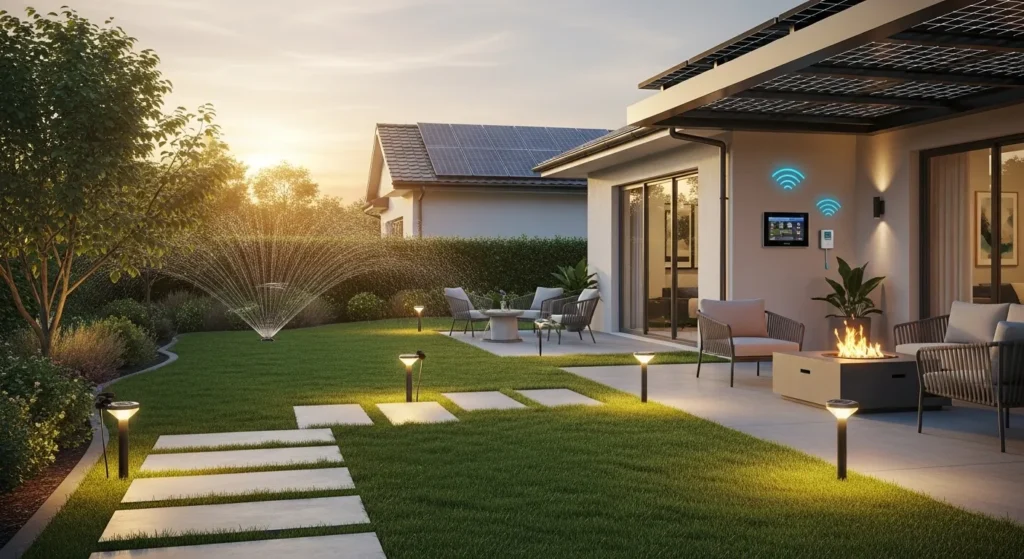
If you want lower energy bills and a smarter backyard, The Ultimate Guide to Energy-Efficient Smart Outdoor Living comes down to three things: solar-powered devices, smart automation, and efficient lighting. Get those right, and you’ll save money while upgrading your outdoor lifestyle.
🌙 Why This Matters (Real-Life Scenario)
You step outside for a relaxing evening… but your outdoor lights are draining power, your heater is inefficient, and your security camera dies overnight.
That’s exactly where The Ultimate Guide to Energy-Efficient Smart Outdoor Living changes everything: comfort, savings, and control in one setup.
🌿 What Is The Ultimate Guide to Energy-Efficient Smart Outdoor Living?
At its core, The Ultimate Guide to Energy-Efficient Smart Outdoor Living is about combining:
- Smart automation (timers, sensors, app control)
- Energy-efficient hardware (LED, solar, low-power devices)
- Sustainable design (using less power without sacrificing comfort)
The goal?
👉 Use less energy while getting more convenience.
⚡ Key Components of Energy-Efficient Smart Outdoor Living
🔆 Smart Lighting Systems
- Motion-sensor LED lights
- Solar-powered floodlights
- App-controlled brightness schedules
💡 Pro Tip: LEDs use up to 75% less energy than traditional bulbs.
🌡️ Smart Climate Control (Outdoor)
- Smart patio heaters with timers
- Energy-efficient fans with sensors
- Automated shading systems
📷 Smart Security Devices
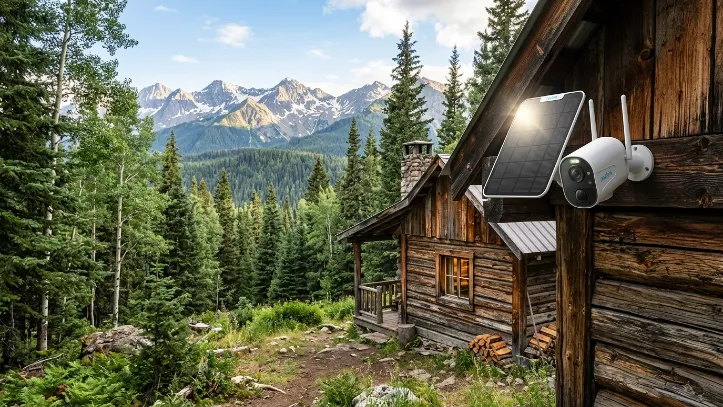
- Solar-powered cameras
- Motion detection alerts
- Low-energy standby modes
🏆 Top Energy-Efficient Smart Outdoor Products (2026)
| Product Name | Key Strength | Battery Life/Efficiency | Price Tier |
| Ring Solar Floodlight Cam | All-in-one lighting + security | High solar efficiency | $109 – $149 |
| Philips Hue Outdoor Lights | Smart automation ecosystem | Ultra-low energy LED | $150 – $400+ |
| Govee Smart Outdoor Lights | Budget-friendly smart lighting | Good efficiency | $40 – $120 |
| Eufy Solar Security Camera | Long battery + solar combo | Excellent standby life | $120 – $250 |
🧪 How We Evaluated These Products
To build The Ultimate Guide to Energy-Efficient Smart Outdoor Living, we focused on real-world performance:
- Battery stress tests: How long devices last without sunlight
- App integration: Ease of connecting with Alexa/Google Home
- Durability: Heat, rain, and dust resistance
- Energy efficiency: Power usage over time
👉 We didn’t just look at specs we looked at daily usability.
🧠 Field Notes: What the Manual Doesn’t Tell You
Here’s what you’ll actually notice after installing smart outdoor tech:
🌧️ Weather Impacts Performance
- Solar devices struggle during cloudy weeks
- Batteries drain faster in cold weather
📶 WiFi Signal Is a Hidden Problem
- Outdoor cameras often disconnect
- You may need a WiFi extender
🔧 Installation Isn’t Always “Plug & Play”
- Mounting solar panels at the wrong angle reduces efficiency
- Some systems require drilling or wiring adjustments
👉 Reality check: Even “smart” setups need a bit of manual tweaking.
Energy-Efficient Smart Outdoor Living Setup Strategy
Start with Lighting (Biggest ROI)
- Replace old bulbs with LED + motion sensors
- Add solar lights for pathways
Add Smart Automation
- Use timers for lights and heaters
- Set schedules based on sunset/sunrise
Upgrade Security
- Install solar cameras
- Enable motion alerts instead of 24/7 recording
Optimize Energy Usage
- Track consumption through apps
- Adjust based on real usage patterns
🧮 Buyer’s Guide & Product Scoring (1–10)
🥇 Ring Solar Floodlight Cam
- Performance: 9/10
- Durability: 8/10
- Ease of Use: 9/10
- Value: 8/10
✅ Pros:
- Combines lighting + security
- Strong app integration
❌ Cons:
- Needs good sunlight exposure
🥈 Philips Hue Outdoor Lights
- Performance: 10/10
- Durability: 9/10
- Ease of Use: 8/10
- Value: 7/10
✅ Pros:
- Premium smart ecosystem
- Extremely energy efficient
❌ Cons:
- Expensive setup
🥉 Govee Smart Outdoor Lights
- Performance: 7/10
- Durability: 7/10
- Ease of Use: 8/10
- Value: 9/10
✅ Pros:
- Affordable
- Easy installation
❌ Cons:
- Limited advanced automation
🛡️ Eufy Solar Camera
- Performance: 9/10
- Durability: 8/10
- Ease of Use: 8/10
- Value: 9/10
✅ Pros:
- Excellent battery life
- No subscription fees
❌ Cons:
- App features slightly limited
🌟 Pro Tips for Maximum Efficiency
- Position solar panels south-facing (in the US)
- Clean panels every 2–3 months
- Use motion detection instead of continuous operation
- Combine devices into one smart ecosystem
🔚 Final Thoughts
The Ultimate Guide to Energy-Efficient Smart Outdoor Living isn’t about buying the most expensive gadgets, it’s about choosing smarter, lower-energy solutions that actually work together.
Start small. Upgrade lighting first. Add automation next.
Before long, you’ll have a backyard that’s cheaper to run, easier to manage, and way more enjoyable. Check Related Posts

I Am Sarah Miller is a passionate writer focused on sustainability, eco-friendly living, and modern environmental solutions. Through her work, she aims to inspire readers to make smarter, greener choices for a better future. She regularly shares insights and practical tips on her website, ecopowersence.com.

1 Comment