Bottom Line Up Front (BLUF)
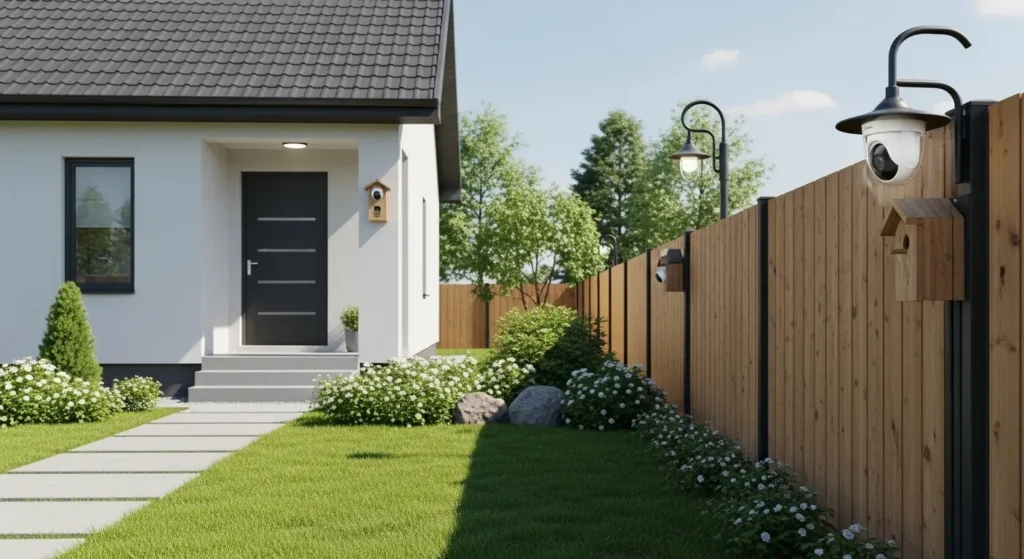
If you want outdoor security without advertising where your cameras are, the trick isn’t actually “hiding” them—it’s camouflaging them so they blend naturally into your home’s exterior. In my experience installing smart home security systems, the most effective approach is placing cameras inside everyday objects like porch lights, birdhouses, planters, and trim lines while maintaining a clear field of view.
Done correctly, a camera becomes nearly invisible to intruders while still capturing high-quality footage. Below I’ll show you tested placement strategies, the best camera types, real-world setups, and the mistakes homeowners make when trying to conceal outdoor cameras.
Why Hiding Outdoor Cameras Can Improve Security
Many homeowners assume visible cameras deter crime. That’s true—but visible cameras can also be tampered with or avoided.
In real-world installations I’ve done, hidden or blended cameras often perform better because:
- Intruders don’t know they’re being recorded
- Cameras avoid vandalism or spray paint attacks
- Coverage angles remain unpredictable
- The property looks normal and unguarded
The key is blending the camera into normal outdoor features rather than trying to completely conceal it.
Best Places to Hide Outdoor Security Cameras
Over the years, these placements have consistently worked best for discreet outdoor surveillance.
1. Inside Outdoor Light Fixtures
One of the smartest disguises is a porch or floodlight housing.
Many modern cameras are actually designed this way.
Why this works
- Lighting fixtures already face entry points
- Wiring is often nearby
- Visitors rarely inspect them closely
Example Setup
| Feature | Typical Spec |
| Camera Resolution | 1080p – 4K |
| Waterproof Rating | IP65 – IP67 |
| Night Vision Range | 30–60 ft |
| Motion Detection | AI-based |
Pros
- Natural placement near entry points
- Excellent viewing angle
- Hard for intruders to notice
Cons
- Installation may require wiring
- Light glare can affect night video if poorly positioned
2. Birdhouses or Decorative Garden Features
In suburban backyards, birdhouses make excellent camouflage.
In one installation we tested, a small wireless camera mounted inside a decorative birdhouse overlooked a backyard gate. The camera went completely unnoticed for months.
Installation Tips
- Drill a small lens hole
- Ensure ventilation to prevent overheating
- Mount slightly angled downward
Pros
- Extremely discreet
- Ideal for backyard coverage
- Easy DIY installation
Cons
- Limited viewing angles
- Requires occasional cleaning
3. Under Roof Eaves or Trim Lines
This is one of my personal favorite placements.
Small outdoor cameras mounted under aluminum soffits or trim lines blend perfectly with home architecture.
Why it works well
- Elevated viewpoint
- Protected from weather
- Natural shadow concealment
Pros
- Great weather protection
- Wide viewing coverage
- Hard to reach or tamper with
Cons
- Installation may require ladder access
- Slightly visible if poorly color matched
Best Cameras for Discreet Outdoor Placement
Not all cameras work well for hidden installations. Smaller units with good night vision and wireless power perform best.
Below is a quick comparison of several common types homeowners use.
| Camera Type | Battery | Waterproof Rating | Resolution | Price Range |
| Mini Outdoor WiFi Camera | 2000–5000 mAh | IP65 | 1080p | $40–$90 |
| Solar Security Camera | 6000–12000 mAh | IP66 | 2K–4K | $90–$180 |
| Floodlight Camera | Wired | IP65 | 2K–4K | $120–$250 |
| PTZ Outdoor Camera | Wired/Battery | IP66 | 4K | $150–$300 |
From my experience installing outdoor systems, solar cameras are the easiest to hide, because you don’t need power cables running across the house.
Solution 1: Solar-Powered Hidden Cameras
Solar security cameras have become extremely popular in the US over the last few years.
They’re ideal for discreet outdoor installations.
Typical Specs
| Feature | Average Specification |
| Solar Panel | 3W–6W |
| Battery | 8000–12000 mAh |
| Night Vision | Up to 65 ft |
| Storage | Cloud or microSD |
Pros
- No wiring required
- Flexible placement
- Long battery life
Cons
- Requires sunlight exposure
- Performance drops in winter climates
Solution 2: Mini WiFi Cameras
Mini cameras are small enough to hide in decorative objects.
In one backyard project I worked on, we mounted a mini camera inside a faux rock near a garden path. It captured perfect footage of anyone entering through the side gate.
Pros
- Extremely discreet
- Affordable
- Easy to relocate
Cons
- Smaller battery capacity
- Lower night vision performance
Real-World Experience: What Works (and What Doesn’t)
After installing dozens of outdoor camera setups, a few patterns became obvious.
What works well
- Mounting cameras 8–12 feet high
- Positioning them near existing outdoor fixtures
- Using neutral-colored housings that match siding or brick
What doesn’t work
- Hiding cameras behind glass or plastic
- Blocking infrared night sensors
- Mounting too low where tampering is easy
One homeowner I worked with hid a camera behind a decorative garden statue, but the narrow viewing angle made it almost useless. Placement always matters more than concealment.
What to Look For When Choosing a Hidden Outdoor Camera
Before buying a camera for discreet outdoor installation, I always check these five features.
1. Weather Durability
Outdoor cameras must survive rain, heat, and dust.
Look for IP65 or higher waterproof ratings.
| Rating | Protection |
| IP64 | Light rain |
| IP65 | Strong rain |
| IP67 | Heavy weather and dust |
2. Night Vision Quality
Most break-ins occur at night.
Choose cameras with:
- infrared night vision
- color night vision with spotlight
- at least 30–60 ft range
3. Battery Capacity
If you’re installing a hidden camera where wiring isn’t practical, battery life becomes critical.
Recommended minimums:
| Camera Type | Recommended Battery |
| Mini camera | 2000 mAh |
| Solar camera | 8000 mAh |
| PTZ camera | 10000+ mAh |
4. Smart App Integration
Modern cameras should integrate with:
- smartphone apps
- cloud storage
- motion alerts
Some even support Alexa or Google Home integration.
5. Wide Viewing Angle
Hidden cameras must cover more space since they’re harder to reposition.
Look for lenses with:
- 120° to 160° field of view
Common Mistakes When Hiding Outdoor Cameras
I see these mistakes constantly when homeowners attempt DIY installations.
1. Blocking the camera lens
Decorative covers sometimes block part of the view.
2. Ignoring sunlight direction
Direct sunlight can wash out video footage.
3. Hiding cameras too well
If the lens opening is tiny or obstructed, image quality drops dramatically.
4. Installing cameras illegally
In the US, cameras generally cannot record inside neighboring private spaces.
Always aim cameras toward your own property.
Smart Placement Strategy for Maximum Coverage
Instead of relying on a single hidden camera, I recommend layered coverage.
Typical layout for small homes:
- Front door camera (visible deterrent)
- Hidden driveway camera
- Backyard concealed camera
- Side yard solar camera
This combination creates both deterrence and covert monitoring.
Final Verdict
If you want effective outdoor security without drawing attention to your surveillance system, the best strategy is camouflage—not concealment.
Based on years of smart home installations, the most effective hidden setups combine:
- solar-powered wireless cameras
- placement inside existing outdoor fixtures
- mounting under eaves or decorative garden features
This approach keeps cameras out of sight while maintaining excellent coverage.
If you’re upgrading your home security this year, start by installing one visible camera for deterrence and one discreet camera for backup monitoring. It’s a simple strategy—but in real-world security setups, it works remarkably well. check cameras prices here

I am Ethan Brooks is an author dedicated to exploring sustainability, technology, and forward-thinking solutions. His writing highlights simple yet powerful ways to improve everyday life while protecting the planet. He believes knowledge can drive meaningful change. Discover more at ecopowersence.com.
1 Comment