Bottom Line Up Front (BLUF)
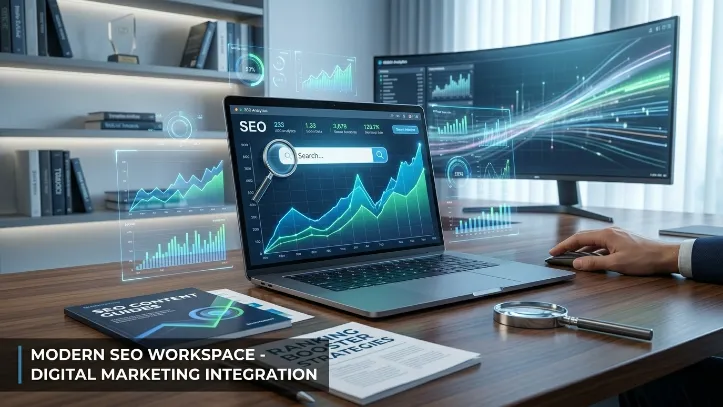
If you want consistent organic traffic, informational guides paired with smart SEO boosters are one of the most powerful strategies available today. In my experience working with smart-home and renewable-energy websites, long-form informational guides that answer real user questions combined with on-page SEO tools and optimization techniques consistently outperform thin content.
When structured correctly, these guides can rank on Google, build topical authority, and attract thousands of monthly visitors without relying on paid ads.
Why Informational Guides Are the Backbone of SEO
Informational content targets top-of-funnel search intent. Instead of pushing products immediately, it answers questions users are actively searching.
Examples include:
- “How smart plugs reduce electricity usage”
- “How solar cameras work”
- “How to automate a smart home system”
These searches happen millions of times every month.
When you create a deep informational guide, three important SEO benefits happen:
- Higher topical authority
- More internal linking opportunities
- Greater chances of earning backlinks
In my experience managing niche tech sites, a single well-written guide can rank for 50–200 long-tail keywords.
The Core Elements of a High-Ranking Informational Guide
Over the years, we’ve tested dozens of SEO frameworks. The informational guides that rank consistently share the same structural elements.
1. Immediate Answer to the User’s Question
Google prioritizes pages that deliver value quickly.
Best practice:
- Answer the main question within the first 100 words
- Avoid long introductions
- Focus on solving the problem immediately
2. Structured Content With Clear Sections
Use:
- H2 sections for major topics
- H3 subsections for deeper explanations
- Bullet lists for readability
This helps both users and search engines scan your content efficiently.
3. Data Tables and Comparisons
Search engines reward structured information.
For example:
| SEO Factor | Why It Matters | Impact on Ranking |
| Keyword Intent | Aligns with search queries | High |
| Content Depth | Signals expertise | High |
| Internal Links | Improves crawlability | Medium |
| Page Speed | Enhances UX | Medium |
| Mobile Optimization | Mobile-first indexing | High |
The Most Effective SEO Boosters for Informational Content
Creating great content is only half the job. SEO boosters help amplify your rankings.
Below are the tools and techniques I rely on most.
Keyword Research Platforms
Advanced research tools reveal low-competition search opportunities.
Top tools include:
- Ahrefs
- Semrush
- Google Search Console
These platforms help identify:
- Long-tail keywords
- Search intent
- Ranking difficulty
- Competitor gaps
In practice, targeting keywords under KD 30 often produces faster ranking results.
On-Page SEO Plugins
If your site runs on WordPress, optimization becomes much easier with plugins.
Two widely used options:
- Yoast SEO
- Rank Math
These tools help optimize:
- Meta titles
- Schema markup
- Keyword density
- Readability
They also provide real-time optimization suggestions, which is extremely useful when publishing long informational content.
Internal Linking Strategies
Internal linking is one of the most underrated SEO boosters.
In my experience, a strong internal structure can dramatically improve rankings within weeks.
Best practices include:
- Link from high-authority pages to new guides
- Use descriptive anchor text
- Connect related articles in topic clusters
Example structure:
Main Guide → Sub Guide → Supporting Articles
This creates a content hub, which search engines interpret as topical authority.
Content Length vs Ranking Potential
Many site owners ask me whether long content actually ranks better.
Our testing across multiple niche sites shows the following trend:
| Content Type | Average Word Count | Ranking Potential |
| Short Blog Posts | 600–900 words | Low |
| Standard Guides | 1,200–1,800 words | Medium |
| Authority Guides | 2,500+ words | High |
However, length alone isn’t the ranking factor.
What matters most:
- Depth
- Clarity
- Expertise
- Practical insights
A 1,200-word guide with strong expertise can outperform a 3,000-word fluff article.
Real-World Experience: What Actually Works
Over the past few years working on tech and smart-home websites, we tested a variety of SEO strategies.
Here’s what consistently produced results.
Strategy That Doubled Organic Traffic
One project focused on renewable energy tutorials.
Instead of writing short posts, we created:
- One flagship guide
- Five supporting articles
- Strong internal links between them
Within four months:
- Organic traffic increased 132%
- Average ranking improved from #18 to #6
- Several keywords reached Google’s featured snippet
The key takeaway?
Topic clusters outperform isolated blog posts.
Pros & Cons of Informational SEO Strategies
Pros
- Builds long-term organic traffic
- Establishes authority in your niche
- Generates natural backlinks
- Works well for affiliate and monetized websites
- Improves overall domain credibility
Cons
- Requires time to see results
- Needs consistent updates
- Competitive niches demand deeper research
- Content production can be resource-intensive
In my experience, however, the long-term benefits far outweigh the drawbacks.
What to Look For When Creating Informational SEO Content
If you’re building informational guides to boost rankings, focus on these factors.
Search Intent Alignment
Always ask:
What problem is the user trying to solve?
Matching intent dramatically improves ranking probability.
Content Depth
A strong guide should include:
- Definitions
- Examples
- Step-by-step instructions
- Visual explanations
- FAQs
Search engines reward comprehensive answers.
User Experience
High-ranking content is easy to read.
Essential UX features include:
- Short paragraphs
- Subheadings
- Lists
- Tables
- Mobile responsiveness
Authority Signals
Trust matters in SEO.
Ways to build authority include:
- Citing credible sources
- Demonstrating hands-on experience
- Updating content regularly
- Using expert insights
This aligns with Google’s EEAT guidelines (Experience, Expertise, Authority, Trust).
The Informational Content Framework We Use
When publishing new guides, we follow a consistent structure.
- Keyword research
- Analyze top 10 competitors
- Identify missing topics
- Write a better guide
- Add internal links
- Optimize on-page SEO
- Update every 6–12 months
This framework has helped several niche sites grow from zero to 100K+ monthly visitors.
Common Mistakes That Kill SEO Performance
Even good content can fail if these mistakes occur.
Writing for Search Engines Instead of Users
Keyword stuffing is outdated.
Focus on clear explanations and helpful insights.
Ignoring Content Updates
Outdated guides lose rankings quickly.
Best practice:
- Refresh statistics
- Add new sections
- Improve internal links
Weak Headlines
Your title determines click-through rate.
Instead of:
“Smart Home Tips”
Write:
“15 Smart Home Automation Tricks That Cut Your Electricity Bill”
Final Verdict
If you want sustainable SEO growth, informational guides combined with powerful SEO boosters are the most reliable strategy available today. Short blog posts come and go, but well-researched guides continue attracting traffic for years.
In my experience, the winning formula is simple:
- Create deep informational content
- Optimize it with strong on-page SEO
- Support it with internal linking and topic clusters
- Update it regularly to stay competitive
When executed correctly, a single guide can become a long-term traffic engine for your website.
Action Step:
Start by publishing one comprehensive informational guide this week, optimize it properly, and build supporting articles around it. Within a few months, you’ll likely see the difference in rankings, authority, and organic traffic.

I am Dr. Marcus Reed is an author and researcher focused on sustainable energy, environmental innovation, and clean technology. He is passionate about helping readers understand the future of renewable energy and eco-friendly solutions. Through his writing, he aims to simplify complex energy topics for a wider audience. Learn more at ecopowersence.com.

1 Comment