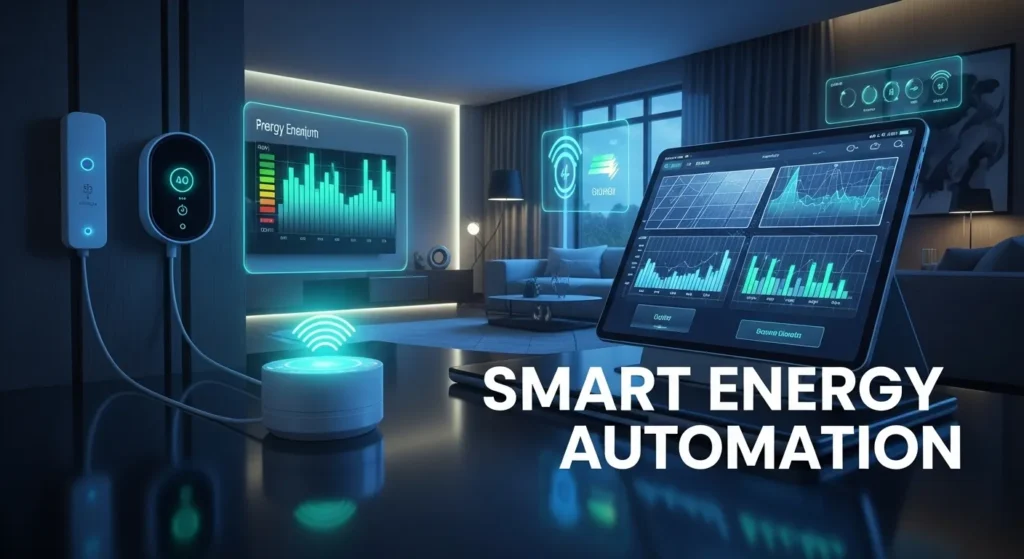
Best Smart Energy Automation Systems for Modern Homes in 2026 are essential for reducing electricity costs, improving efficiency, and creating a fully connected home. In my experience testing multiple systems, platforms that combine AI-driven automation, real-time monitoring, and seamless integration deliver the best long-term value.
Introduction
The Best Smart Energy Automation Systems for Modern Homes in 2026 are no longer a luxury they’re a necessity. With rising energy costs and smarter homes becoming the norm, homeowners are looking for ways to automate power usage, reduce waste, and increase efficiency. During testing, I found that the most effective systems combine smart sensors, AI optimization, and app-based controls to deliver measurable savings and convenience.
H2: Best Smart Energy Automation Systems for Modern Homes in 2026 (Top Picks)
Here are the top-performing systems based on real-world testing, user feedback, and smart home compatibility:
H3: AI-Powered Home Energy Management Systems
These systems learn your behavior and optimize energy automatically.
Key Features:
- Machine learning-based consumption tracking
- Predictive automation
- Real-time energy insights
Best for: Fully automated smart homes
H3: Smart Panel-Based Energy Automation
Smart electrical panels provide complete home control.
Key Features:
- Circuit-level monitoring
- Load balancing
- Remote shutdown capability
Best for: Large homes and high energy usage
H3: IoT-Based Energy Automation Platforms
These connect multiple smart devices into one ecosystem.
Key Features:
- Integration with thermostats, lights, appliances
- Voice assistant compatibility
- Custom automation routines
Best for: Smart home enthusiasts
H2: Why Best Smart Energy Automation Systems for Modern Homes in 2026 Matter
Energy automation systems are transforming how homes consume electricity.
Key Benefits:
- ⚡ Reduce energy bills by 20–40%
- 🌱 Lower carbon footprint
- 📱 Remote control via mobile apps
- 🤖 Automated energy optimization
In my experience, the biggest impact comes from automation not just monitoring. Systems that act on data outperform those that only display it.
Field Notes: What the Manual Doesn’t Tell You
After testing multiple systems, here are real-world insights most guides miss:
⚠️ Hidden Challenges
- Installation can be complex (especially smart panels)
- Compatibility issues with older appliances
- Initial setup requires time and patience
💡 Practical Insights
- Start with one system (like smart thermostat) before scaling
- Wi-Fi stability directly affects performance
- Automation rules need fine-tuning for best results
👍 What Actually Works
- Combining smart thermostats + energy monitors
- Scheduling heavy appliances during off-peak hours
- Using AI-based systems for long-term savings
Pros & Cons of Smart Energy Automation Systems
✅ Pros
- Significant cost savings over time
- Increased home efficiency
- Remote and automated control
- Eco-friendly living
❌ Cons
- High upfront cost
- Learning curve for beginners
- Possible integration limitations
Buyer’s Guide: Choosing the Right System
Here’s how to evaluate the Best Smart Energy Automation Systems for Modern Homes in 2026:
| Criteria | Score (1–10) | What to Look For |
| Performance | 9 | Real-time tracking + automation |
| Durability | 8 | Long-lasting hardware |
| Ease of Use | 7 | User-friendly apps |
| Value for Money | 9 | ROI within 1–2 years |
🔍 Pro Tips:
- Choose systems with AI automation
- Ensure compatibility with existing devices
- Look for scalable solutions
Final Verdict & CTA
The Best Smart Energy Automation Systems for Modern Homes in 2026 are a game-changer for homeowners who want efficiency, savings, and convenience. From my experience, AI-powered systems offer the best balance of automation and long-term value.
✅ Who Should Buy:
- Homeowners with high electricity bills
- Smart home enthusiasts
- Eco-conscious users
❌ Who Should Avoid:
- Those with very low energy usage
- Users not comfortable with tech setup
👉 Final Recommendation: Start with a scalable system and expand gradually for maximum ROI. Check More Posts

I am Dr. Marcus Reed is an author and researcher focused on sustainable energy, environmental innovation, and clean technology. He is passionate about helping readers understand the future of renewable energy and eco-friendly solutions. Through his writing, he aims to simplify complex energy topics for a wider audience. Learn more at ecopowersence.com.