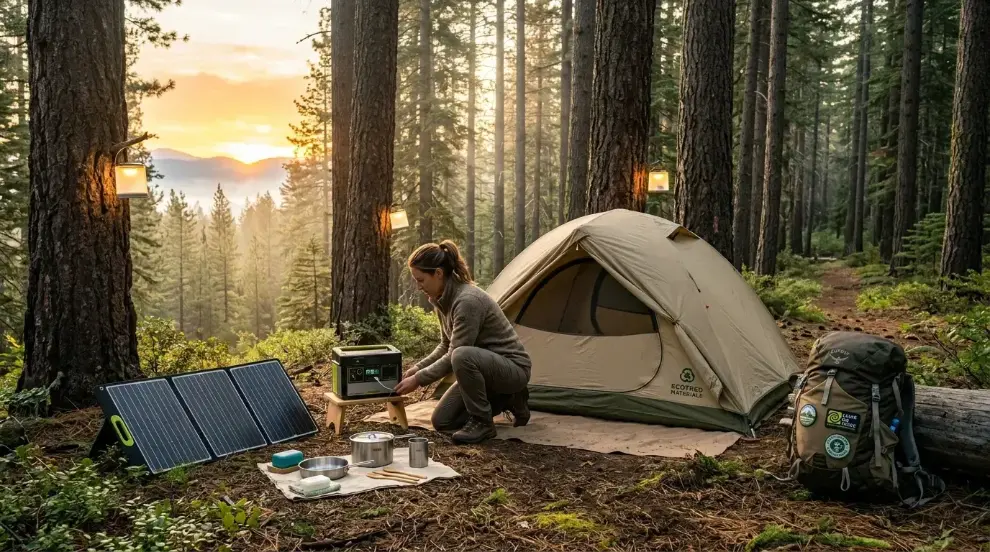
Master sustainable camping in 2026. Expert tips on Leave No Trace, solar power, and the best eco-friendly gear for low-impact outdoor adventures.
TL;DR: Eco-friendly camping is moving beyond just picking up trash; it’s about life-cycle gear analysis and zero-impact energy. In 2026, the best approach involves high-efficiency solar, circular economy equipment, and strict adherence to modern Leave No Trace principles.
| Gear Type | Best Eco Option | Impact Rating | Expected Lifespan |
|---|---|---|---|
| Shelter | Recycled Polyester Tents | High | 8-10 Years |
| Cooking | Solar or Twig Stoves | Very High | 15+ Years |
| Lighting | Inflatable Solar Lanterns | Medium | 3-5 Years |
| Sleeping | RDS Down / PFC-Free Bags | High | 10+ Years |
| Hygiene | Concentrated Biodegradable Soap | Critical | N/A |
What Exactly Is Sustainable Camping in 2026?
Sustainable camping is the practice of minimizing environmental impact through the use of ethically sourced gear, waste reduction, and strict adherence to conservation ethics.
When I started camping back in the mid-2010s, ‘eco-friendly’ usually just meant not leaving a pile of beer cans in the fire pit. But the landscape has shifted. Today, sustainability starts months before you hit the trailhead. It’s about the carbon footprint of your tent’s manufacturing and whether your water filter can be recycled at the end of its life.
We have to look at the entire lifecycle of our gear. In 2026, I’m seeing a massive push away from ‘fast outdoor fashion’—those cheap $40 tents that end up in landfills after one rainy weekend. True sustainability means buying gear that lasts a decade, not a season. We are also seeing a major shift toward high-efficiency portable power, moving away from disposable batteries which have long been a plague on backcountry ecosystems.
One of the most important aspects of this shift is the official guidance provided by the Leave No Trace Center for Outdoor Ethics (https://lnt.org/), which serves as the gold standard for minimizing our physical impact on wilderness areas. Following these seven principles isn’t just a suggestion anymore; it’s the bare minimum for anyone calling themselves an outdoorsman.
People Also Ask
Q: Is eco-friendly camping more expensive?
A: Initially, yes. High-quality, sustainably made gear often costs 20-30% more upfront, but it lasts 3-4 times longer than entry-level gear, giving it a much better ROI over time.
Q: What is the most important part of sustainable camping?
A: Waste management and site selection. Keeping human waste away from water sources and staying on durable surfaces prevents long-term ecosystem damage.
Sustainable Gear: What’s Actually Worth the Money?
The most sustainable gear is the stuff you already own, but when buying new, prioritize recycled materials, PFC-free DWR coatings, and brands with repair-for-life programs.
I’ve tested dozens of ‘green’ gadgets over the years. Some are brilliant; others are just greenwashing. If a brand isn’t transparent about its supply chain or its use of Per- and polyfluoroalkyl substances (PFAs), I’m out. These ‘forever chemicals’ were standard in waterproof gear for years, but in 2026, we have better, non-toxic alternatives.
When looking at tents, look for solution-dyed fabrics. This process uses significantly less water and energy than traditional dyeing. For sleeping bags, look for the Responsible Down Standard (RDS) or 100% recycled synthetic fill. I’ve found that high-end recycled synthetics now nearly match the loft-to-weight ratio of mid-grade down, which is a huge win for vegan campers.
Don’t fall for the trap of buying ‘eco-branded’ plastic trinkets. I recently saw an ‘eco-friendly’ plastic spork that broke on its third use. Compare that to the titanium spork I’ve had since 2014. It’s indestructible. That’s real sustainability. For those looking for verified data on material impacts, the Environmental Protection Agency (EPA) (https://www.epa.gov/recycle) provides excellent resources on waste reduction and domestic recycling programs that apply to outdoor plastics.
People Also Ask
Q: Are solar chargers actually effective for camping?
A: In 2026, yes. Modern CIGS solar panels are thin, flexible, and can charge a 20,000mAh power bank in about 6 hours of direct sun.
Mastering the Zero-Waste Kitchen
To achieve a zero-waste camping kitchen, replace single-use plastics with silicone pouches, use honeycomb wax wraps instead of foil, and buy bulk dehydrated ingredients.
The ‘check-out’ phase of a trip is where most people fail. I used to come home with a trash bag full of Mountain House pouches and plastic wrap. Not anymore. I’ve switched entirely to reusable silicone bags for my pre-portioned meals. Pro tip: If you’re dehydrating your own food, you can save a fortune and know exactly what’s in your dinner.
Let’s talk stoves. White gas and isobutane canisters are the norm, but they create a lot of metal waste. While most canisters can be recycled if punctured correctly, I’ve moved toward stick-burning biomass stoves for solo trips. They use fallen debris for fuel, so you aren’t hauling (or burning) fossil fuels. For group trips, I still use a high-efficiency propane stove, but I use a refillable 5lb tank instead of those little green 1lb disposables. It’s a bit heavier, but the ROI on cost and waste reduction is massive.
Water Filtration vs. Purification
Stop buying bottled water. It’s the single worst thing you can do for the trail. I’ve been using a gravity-fed ceramic filter for years. It requires zero electricity and very little maintenance. According to water quality standards outlined by the Centers for Disease Control and Prevention (CDC) (https://www.cdc.gov/healthywater/drinking/travel/backcountry_water_treatment.html), certain filtration methods are much more effective than chemicals for removing pathogens like Giardia and Cryptosporidium without introducing iodine or chlorine into the environment.
People Also Ask
Q: Can I use biodegradable soap in a lake?
A: No. Even biodegradable soap needs soil bacteria to break down. Always use soap at least 200 feet away from any water source.
The Logistics of Human Waste and Hygiene
Eco-friendly hygiene requires using a trowel for cat-holes 6-8 inches deep or using ‘WAG bags’ in high-alpine or desert environments where decomposition is slow.
I get it, nobody wants to talk about poop. But in high-traffic areas, ‘surface deposits’ are destroying local flora. In 2026, many national parks are moving toward mandatory pack-out rules for human waste. I’ve had to use WAG bags in the Enchantments and on Mt. Whitney—it’s not as gross as you think, and it keeps the water sources pristine.
For general hygiene, I’ve ditched the wet wipes. Most of them contain plastic fibers and don’t break down. Instead, I use a small spray bottle with water and a drop of concentrated peppermint soap, paired with a quick-dry microfiber cloth. It’s lighter, cheaper, and leaves zero footprint. If you must use wipes, ensure they are 100% bamboo or cotton and certified compostable—but you still have to pack them out.
People Also Ask
Q: How deep should a cat hole be?
A: Aim for 6 to 8 inches deep. This is where the soil is most biologically active to break down waste quickly.
Tech and Energy: The 2026 Solar Shift
Modern eco-camping leverages portable power stations and high-efficiency solar blankets to eliminate the need for disposable batteries and gas-powered generators.
The roar of a gas generator is the quickest way to ruin a sunset for everyone in a three-mile radius. Thankfully, battery tech has caught up. In my current setup, I use a LiFePO4 (Lithium Iron Phosphate) power station. These batteries are safer and have a much higher cycle life than standard lithium-ion, meaning they won’t end up in a recycling bin for at least 10 years.
I’ve paired this with a 100W foldable solar blanket. Even in partial shade, I can keep my headlamp, GPS, and phone topped off. It’s a closed-loop system. When I’m car camping, I use this setup to run a 12V fridge, which eliminates the need for ice. Think about that: no more plastic bags of ice melting into a soggy mess at the bottom of your cooler. It’s a total game-changer for long-term sustainability.
People Also Ask
Q: Are power stations worth the weight?
A: For car camping, absolutely. For backpacking, stick to a small 10,000mAh bank and a 5W ultra-light solar panel.
Practical Use-Case Recommendations
- Backpacking for a week in a sensitive ecosystem: Use a hammock with tree-saver straps to avoid ground compaction and carry a dedicated waste pack-out kit.
- Family car camping on a budget: Buy second-hand gear from REI Re/Supply or Patagnoia Worn Wear. It’s the most eco-friendly way to shop.
- Winter camping in deep snow: Prioritize high-R-value recycled sleeping mats and liquid fuel stoves that operate efficiently in sub-zero temps without wasting canisters.
- Solo camping with high tech needs: Invest in a 200Wh LiFePO4 power station and a 40W solar panel to keep devices charged indefinitely without fossil fuels.
Frequently Asked Questions
Q: Is it okay to burn my trash in the campfire?
A: Absolutely not. Burning plastic, foil, and food scraps releases toxins into the air and leaves harmful residues in the soil. Always pack out what you pack in.
Q: What is ‘Greenwashing’ in the camping industry?
A: Greenwashing is when a brand uses terms like ‘natural’ or ‘earth-friendly’ without certifications or specific data to back up their claims. Look for B-Corp or 1% for the Planet badges.
Q: Which is better: a down or synthetic sleeping bag?
A: RDS-certified down has a lower carbon footprint and lasts longer, but synthetic is better for wet climates and is vegan-friendly. Both can be sustainable if cared for properly.
Q: How do I choose a sustainable campsite?
A: Stay on established pads. Avoid pristine areas where you might crush vegetation. If you’re in the backcountry, look for ‘durable surfaces’ like rock, gravel, or dry grass.
Q: Are electric campfires a good idea?
A: In fire-prone areas during a ban, yes. They provide light and atmosphere without the risk of wildfires or the need to harvest local wood which provides habitat for insects.
Conclusion
Sustainable camping in 2026 is all about reducing waste, using eco-friendly gear, and protecting nature through responsible outdoor practices. By choosing reusable supplies, solar-powered equipment, and durable camping gear, campers can enjoy the outdoors while minimizing their environmental impact for future generations.

I Am Sarah Miller is a passionate writer focused on sustainability, eco-friendly living, and modern environmental solutions. Through her work, she aims to inspire readers to make smarter, greener choices for a better future. She regularly shares insights and practical tips on her website, ecopowersence.com.

1 Comment